‘Critical Literacy’ Commands Feelings, Not Comprehension
A lamentable twist in the ongoing subversion of children’s ability to read and comprehend is use of the buzzwords, “critical literacy.” When parents or casual observers hear this term, they doubtless believe it means something positive, such as students learning to think critically about what they read.
Nothing could be further from the truth. A video titled How Modern Schools Make Terrible Writers (Deliberately), posted by author and researcher, Hilary Layne on her “Second Story” YouTube channel, explains that “critical literacy” is a misnomer, and that the removal of phonics was done on purpose to prevent children from becoming critical thinkers in the true sense of the word. This is old news for many, but wider use of the “critical literacy” moniker is new, and intended to create the false illusion that actual literacy is being taught.
Phyllis Schlafly was among those who recognized that the enduring goal of “education reformers” was to transform the development of true literacy into the process of conditioning children to be triggered by feelings rather than an understanding of what they read. They accomplished their goal largely by replacing systematic phonics instruction, the sure means of teaching reading — English is a phonetic language — with whole language and other novelties.

The late Charlotte Iserbyt’s monumental work, The Deliberate Dumbing Down of America, published in 1999, provided a documented “paper trail” of how the American public education system, starting with John Dewey, was not to be based on “education,” but on “deliberate, calculated social formation.” Iserbyt’s important book is well worth reading today. (See Book Review in this issue of Education Reporter.)
As Hilary Layne explains in her aforementioned video, the state-mandated education system we have now is a recent invention, “and not designed to teach children.” Those who formed it readily admitted their intentions, she notes, which have been “explicitly stated” in numerous sources. It was critical, therefore, that “memorization of the alphabet and the teaching of phonics be discarded.”
The result is not only today’s rampant functional illiteracy, especially among young people, but also the corresponding inability of most to write well. Layne observes that “good, beautiful, imaginative, personal writing is actively discouraged” by the system, and that removing phonics “was just the first phase.” She continues: “Shifting children’s focus away from decoding words on their own and toward this hyper fixation on teacher-guided, or more accurately, state-guided analysis, keeps them from building their own critical thinking ‘mental’ muscles.”
Layne is one of many voices lamenting the current epidemic of college students unable to read a complete book, attributing it to the manipulation of reading instruction that has been underway for decades. (See Education Reporter, November 2024.)
What is ‘Critical literacy’?
Critical literacy is defined in part as “becoming conscious of one’s experience as historically constructed within specific power relations and moving the reader’s focus away from the self.” This confusing gobbledygook is no doubt intended to camouflage the true intent of its designers, which is to create readers who can’t read and writers who can’t write.
In her video, Layne describes a study co-authored by Stanford Professor Bruce McCandliss in 2015, which shows how different teaching methods affect reading ability by examining the brain waves of test subjects.
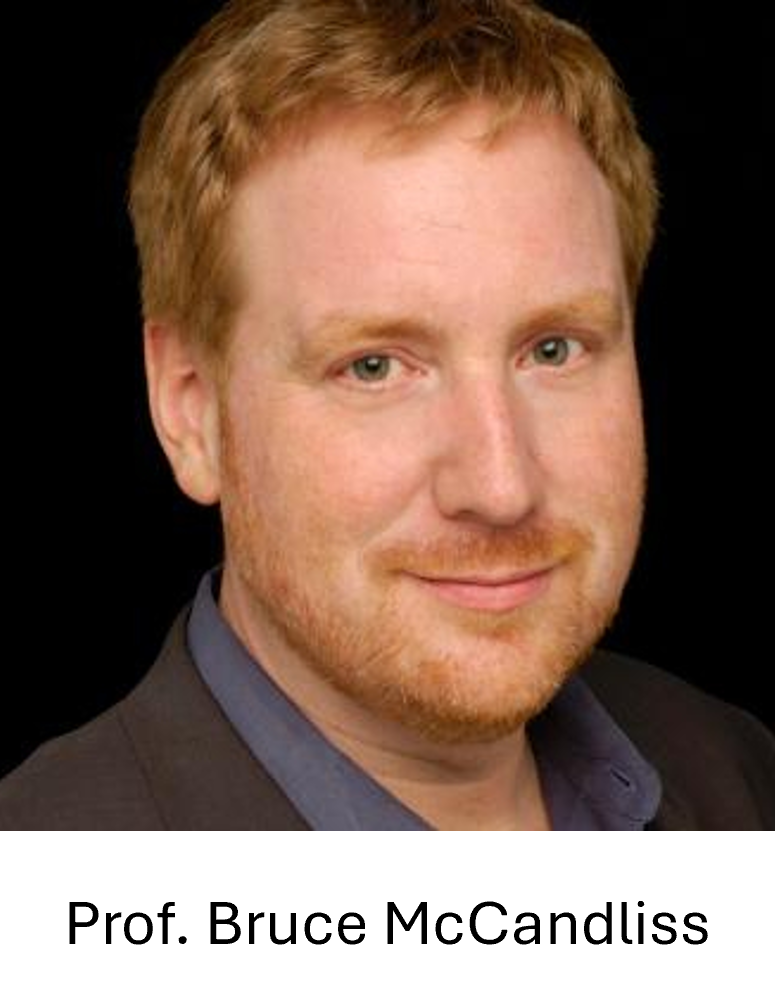
The Stanford brain wave study showed that “beginning readers who focus on letter-sound relationships, or phonics, increase activity in the area of their brains best wired for reading,” and provided “some of the first evidence that a specific teaching strategy for reading has direct neural impact.”
Perhaps more importantly, participants who learned by phonics “elicited neural activity biased toward the left side of the brain, which encompasses visual and language regions. In contrast, words learned via whole-word association showed activity biased toward right hemisphere processing,” which focuses learning through feelings and imagination.
The McCandliss study showed that students taught to read by methods other than phonics are more likely to rely on their feelings and, as Layne puts it, “crucially, their imaginations, to determine and remember words and their meanings.” She adds that “feelings and imagination are subjective, changeable, and prone to manipulation,” which is obvious today in the behavior of college students who twist the meaning of words in academic debates to fit their viewpoints, or simply “toss around a big word salad.”
Layne emphasizes that there are many studies on the effects of reading instruction methods on the brain, and a consistent finding is that “phonics trains the logical, critical thinking parts of the brain, while other methods tend to center on the emotional and imaginative parts of the brain.” Phonics is also more neurologically efficient, allowing for precision in choosing words with which a story is told, whereas critical thinking is “stunted” when any approach other than phonics is used to teach reading.
Inability to comprehend
While English majors at American colleges and universities might be expected not only to read the books and poetry assigned to them in their coursework, but to understand them as well, a study at two Kansas universities proved otherwise.
In Project MUSE – They Don’t Read Very Well: A Study of the Reading Comprehension Skills of English Majors at Two Midwestern Universities, 85 English majors were asked to read the first seven paragraphs of Charles Dickens’ Bleak House and then translate them into “plain English.” Test subjects were given access to online resources, dictionaries, and even allowed to use their cell phones for information. Facilitators advised them to take their time and even said they didn’t have to complete all seven paragraphs.
The study report states that all the test subjects were able to read words on a page, but “the majority of this group did not enter college with the proficient-prose reading level necessary to read Bleak House or similar texts in the literary canon.” After the tests were analyzed, researchers grouped the results into “three reading categories of reading abilities: problematic, competent, and proficient.”
Results showed:
- 58 percent (49 of 85 subjects) understood so little of the introduction to Bleak House that they would not be able to read the novel on their own. However, these same subjects (defined in the study as problematic readers) also believed they would have no problem reading the rest of the 900-page novel.
- Problematic readers often described their reading process as skimming and/or relying on SparkNotes [study guides].
- The majority of the 85 subjects used vague generalizations to summarize compound-complex sentences.
- 38 percent (or 32 of the 85 subjects) could understand more vocabulary and figures of speech than the problematic readers. These competent readers, however, could interpret only about half of the literal prose in the passage.
- Only 5 percent (4 of the 85 subjects) had a detailed, literal understanding of the first paragraphs of Bleak House, which means they could successfully read the text and explain its meaning to the facilitators.
Despite the fact that these test subjects were majoring in English, the researchers nonetheless made allowances for Dickens’ “rhetorical style,” which they acknowledged was “unfamiliar” to their test subjects and required “making imaginative leaps and consistently thinking on a higher level.” Even so, they found that “none of the subjects in the problematic category had the reading skills to meet this challenge.”
Layne attributes the “poor reading tactics” of the study subjects directly to the critical literacy they had learned throughout their K-12 school years. She points out that even the competent readers did not understand what they were reading, and thus were performing exactly as they had been trained.
Study authors noted that the 38 percent of “competent” test subjects who could not define certain words and/or skipped words they did not understand were nevertheless “comfortable with their confusion.” They often made arbitrary guesses or “skipped” a problem section and moved on. Of particular note here is that while these students could have looked up any words they didn’t understand, they neglected to do so.
Inability to write
The inability to think critically translates into an inability to write, which was the central theme of Layne’s video. Readers trained in critical literacy are unlikely to analyze a topic and write about it in a thoughtful, intuitive way, giving their own perspective and opinions. They are more likely to, as Layne puts it, “write what they are supposed to, and they’re paying very close attention to ‘generative themes’ and all those generative words like ‘wealth,’ ‘slums,’ ‘fascism,’ ‘race,’ ‘gender,’ ‘capitalism,’ ‘colonialism,’” etc.
Because readers trained in critical literacy learn to rely on external sources to tell them how to evaluate or interpret a given text, so also as writers they rely on another authority to ensure they are thinking, perceiving, feeling, and “writing” the right way about a topic. Layne observes:
- It’s not just that they want to conform, although that’s a factor, but they have not been taught to understand or even find meaning in text by their own authority and power. Never mind what this means for free expression and individual thought, there is zero room for creativity to grow organically … even in a world where everything is about feelings, those feelings cannot come from a person’s own mind, but must be fed into their minds, much like loading software into a computer.
The tragedy for these young people and for American society in general is that they are losing out on how to think critically in the true meaning of the term, which has enabled millions of Americans of previous generations to achieve greatness in business, industry, the arts and sciences, and yes, in literature.
Layne suggests readers sample the prose in award-winning older books and compare it to the writing in books that have been chosen as award winners in recent years. She promises there will be a lack of rhythm and flow in the latter as compared to the former, which she says most writers were able to achieve effortlessly before the reforms that replaced phonics instruction with whole language. Generally, the prose of writers in past decades included subtler meanings and deeper insights that provided an enrichment lacking in today writing.
Although a return to phonics, renamed “the science of reading” (see Education Reporter, May 2025, December 2023, and June 2022), holds promise for at least a modicum of public school students, the advent of AI programs such as ChatGPT make a resurgence of truly good written prose unlikely to take place.
Layne advises that anyone wishing to become a “good” writer turn off or delete from their computers any and all AI assistance. As for K-12 students currently steeped in critical literacy classes, she offers no answers other than to urge parents to homeschool if at all possible. She warns that, however bad observers think the public school system is, “it’s worse,” and yet she believes the lack of reading ability is “fixable.” She points out that even parents who aren’t good readers themselves because they weren’t properly taught can improve their skills using a phonics program, and in turn teach their children how to read.
The good news from Education Reporter’s standpoint, aside from the few public schools actually employing “the science of reading,” is that homeschooling and other education alternatives are continuing to grow. As long as most homeschools, microschools, and at least some private and charter schools are teaching students to read using phonics, all is not lost.
Editor’s Note: Adults and older children can become better readers using Phyllis Schlafly’s proven Turbo Reader, available from Phyllis Schlafly Eagles. Young children will learn best with First Reader.
Growth of Charters Adds to Public School Chaos
A recent news headline warned that a “scheme” unleashed by the charter school industry could spell “the death of public schools.” This dramatic pronouncement was followed by a lengthy description of how for-profit charter school companies are taking over public-school buildings and usurping funds in Florida, where new laws are making such moves possible. The article claims similar actions are taking place in other red states with more likely to follow.
Public-school proponents assert that, as if this outrage weren’t enough, charter-school test results are mixed at best, with many charters failing to raise student achievement. While the truth varies from charter to charter, some conservatives consider the pot may be calling the kettle black after decades of nationwide decline in test scores among traditional public-school students.
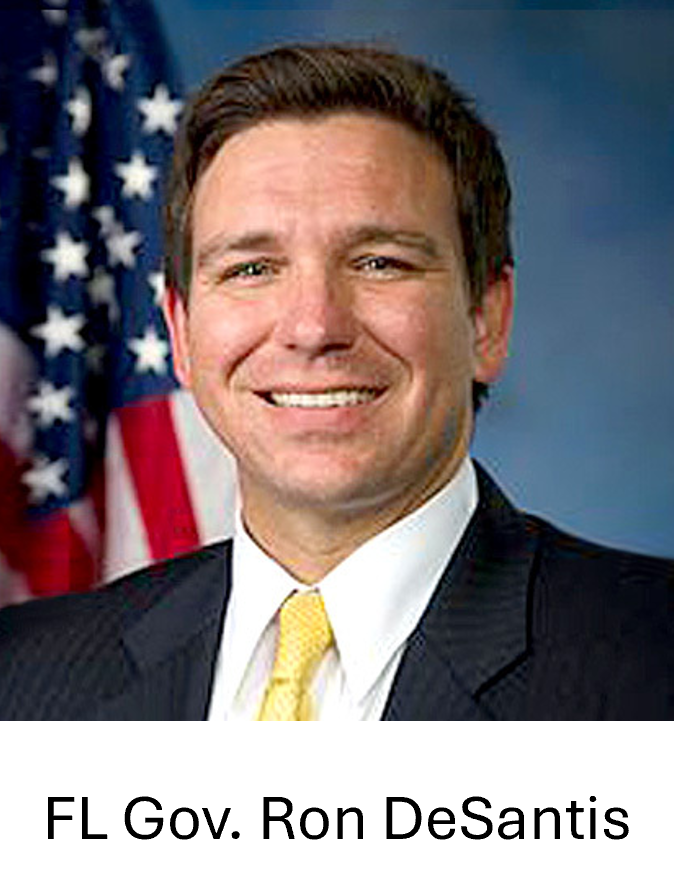
The Florida bill in question (SB 2510), passed the state legislature last June and was signed into law by Governor Ron DeSantis in July. It expands the Florida “Schools of Hope” program established in 2017 to serve children in areas with “persistently low-performing” traditional public schools.
The new law changed the criteria for determining whether a school qualifies as persistently low-performing, which opens the door for more charter schools to move in regardless of a public school’s performance status. Additionally, the law allows schools of hope to use vacant public-school buildings or to share space with partially occupied public schools. Several for-profit charter companies have claimed space in dozens of existing public schools as of December 2025, and intend to open their doors beginning in August 2027.
DeSantis is a strong proponent of the Schools of Hope model, and his preferred vendor is the Success Academies, which are located primarily in the New York City area but are expanding to Miami. Success Academies are known for operating in low-income areas where many traditional public schools are under performing, and their students have reportedly achieved a significant measure of academic success.
The Florida Policy Institute (FPI), a pro-public school advocacy group, declared in November that at Least 690 “Letters of Intent” had been sent to public schools in Florida by multiple charter school operators. FPI opposes the new law and the expansion of charter schools, claiming they take funds away from traditional public schools while using public-school services such as buses and food service.
FPI complains that “once the charter occupies part of the public school, it operates rent free….” A spokesperson cut to the chase, defining the expansion of the schools of hope concept as being “on a slippery slope, much like school vouchers have been in the state.”
Dark side of charters
While many charter schools are more focused on academics and less committed to indoctrination (see Education Reporter, January 2024), others fail to improve student performance and may even be more woke than their traditional public-school counterparts. A case in point came to light recently in the aftermath of the controversial death of “ICE Watch Warrior” Renee Nicole Good in Minneapolis, when as the New York Post described it, she “veered her car toward” a federal agent and was subsequently killed.

The Post reported that Good “linked up with anti-ICE activists through her 6-year-old son’s woke charter school, which boasts that it puts ‘social justice first’ and prioritizes ‘involving kids in political and social activism.’” Good and her “wife” were said to be “raising the boy together in the mostly working-class, activist-heavy neighborhood of south Minneapolis, which features tree-lined streets and a large number of homes with windows decked out in LGBTQ+ flags or signs depicting George Floyd.”
The article explained: “It was through her involvement in the [Southside Family Charter] school community that Good became involved in ‘ICE Watch’ — a loose coalition of activists dedicated to disrupting ICE raids in the sanctuary city.” The Post noted that the school touts itself as providing “an academically challenging, socially conscious education to diverse learners,” and declares it is “proud” to offer what it calls a “social justice curriculum.”
How academically sound the Southside Family Charter school may be is unclear, but the website leaves no doubt that its main focus is on politically motivated social justice activism. The website states that the curriculum “challenges students to think critically and take action in their communities. Through field trips and travel study, students engage with local organizations and real-world issues, deepening their understanding of social justice and inspiring them to make a positive impact.”
While charter schools such as Southside foster civil unrest, a minority operate under foreign influence. At least one group was found to have middle eastern terrorist connections, and some charters are sponsored by China. (See Education Reporter, March 2022.) Nonetheless, charter schools continue to be a player in the U.S. education system.
Indiana empowers charters
In a move that is stirring up controversy to rival that of Florida, officials in Indianapolis have developed a proposal to close struggling traditional public schools and provide charter school students with bus service. A December article by The 74 charged that the proposal, if enacted, would create “a powerful new government agency, the Indianapolis Public Education Corporation, handing charters a measure of control over citywide education decisions they have never had.” In Indiana, “corporation” is the legal term for school district.
The 74 pointed out that along with gaining bus service for students, charters would have representatives on a new 9-member board with “equal standing to district officials for the first time in shaping Indianapolis school policy.” Some of the city’s public schools would be closed, and charters are already benefitting from a shift in property taxes away from traditional public schools.
Predictably, the proposal is under fire from a variety of groups. Many city residents believe such a fundamental shift should be decided by the voters, with the 9 board members elected by the voters rather than appointed by the mayor. Three of the board members would be chosen from the elected Indianapolis Public Schools board, but the mayor would appoint the remaining 6.
Interestingly, one of the most vocal groups protesting the proposed unelected board is “the Central Indiana Democratic Socialists of America,” which purports to believe in free and fair elections.
But not all charter-school advocates support the plan either. A spokesperson for the Indiana Charter Innovation Center posted on social media: “The proposals put forward would place significant burdens on charter schools without providing funding, would reverse major legislative progress, and would create a structure that pulls decision-making farther from the schools and families most affected.” Other charter school proponents have generally expressed support for the legislation.

An article in Chalkbeat Indiana explains that the city’s action was prompted by recommendations of the Indianapolis Local Education Alliance (ILEA), the most critical of which involved the authority to control and manage school property, as well as to establish and oversee a transportation plan to transport all students within Indianapolis Public Schools boundaries — the two primary goals lawmakers had for the work of the [ILEA].
Critics say it represents “a significant shift of power … the district would lose its authority to levy and collect property taxes or issue debt, powers that would instead go to the new corporation.” The corporation would also “establish and manage a unified enrollment system, as well as a single school performance framework.” Chronically low-performing schools would be closed. Currently, the Indianapolis Public Schools (IPS) has approximately 9,000 empty desks and faces a budget deficit that will require a tax increase from voters.
Indianapolis Mayor Joe Hogsett has expressed support for the ILEA’s recommendations, asking only that local Indianapolis voices “remain at the forefront” of the conversations at the state legislature. Whether or not the new bill passes without significant changes remains to be seen, but most local education leaders believe something needs to be done.
Charters on the move
Although charter school opponents emphasize that the growth of charters has stagnated and even declined slightly in some areas, many states are making it easier for charters to operate.
ZNetwork reports, for example, that Ohio’s 2025 state budget includes a provision that “allows the state to force school districts to close some public-school buildings and sell those properties to charter or private schools at below market value.” In Arkansas, a measure similar to Florida’s “Schools of Hope” is in the works.
A K-12 Dive article found that, according to a 2025 S&P Global Ratings report, the outlook for charter schools overall is stable, with many “holding their market position or expanding while continuing to have healthy liquidity and operating margins.”
The sad reality is that public schools have failed miserably to prepare children for success in an American society that remains free and for the most part still rewards academic excellence. Public school enrollment continues to decline, with many classrooms and even whole school buildings sitting empty, due in part to an anemic birth rate, but primarily because many parents are pulling their children out. Parents send their children to school to learn, not to be indoctrinated by leftwing zealots hell-bent on creating political activists.
As an alternative, charter schools overall may not be the answer, but they are included under the banner of “school choice,” and they provide a beacon of hope for desperate parents unable to homeschool or afford private schools. Some are exactly that, while others are little better than the traditional public schools these parents have abandoned.
With the U.S. Department of Education poised to hand the reins of educational autonomy back to the states, the chaos in public education, including charters, will likely increase before it gets better. For parents who are homeschooling and those whose children are being educated in private schools or microschools that reflect their beliefs, little will change. For those whose children continue to languish in public schools, a fastening of seatbelts is likely in order.
Iowa First to Take Federal ‘Education to the States Waiver’
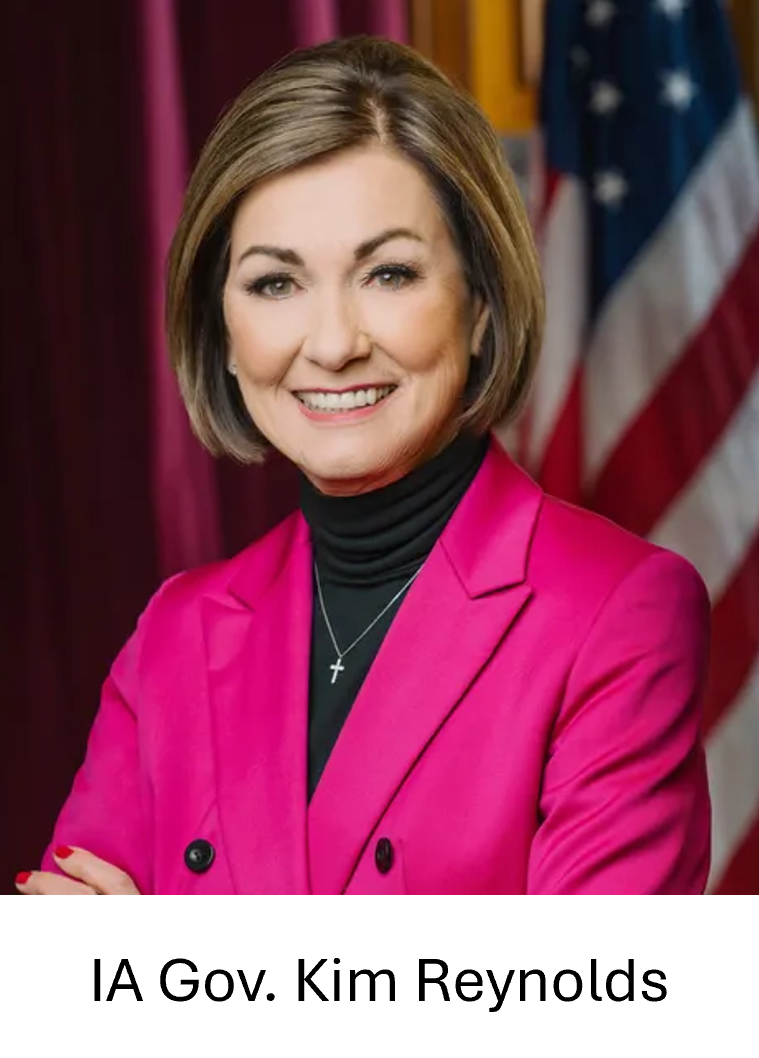
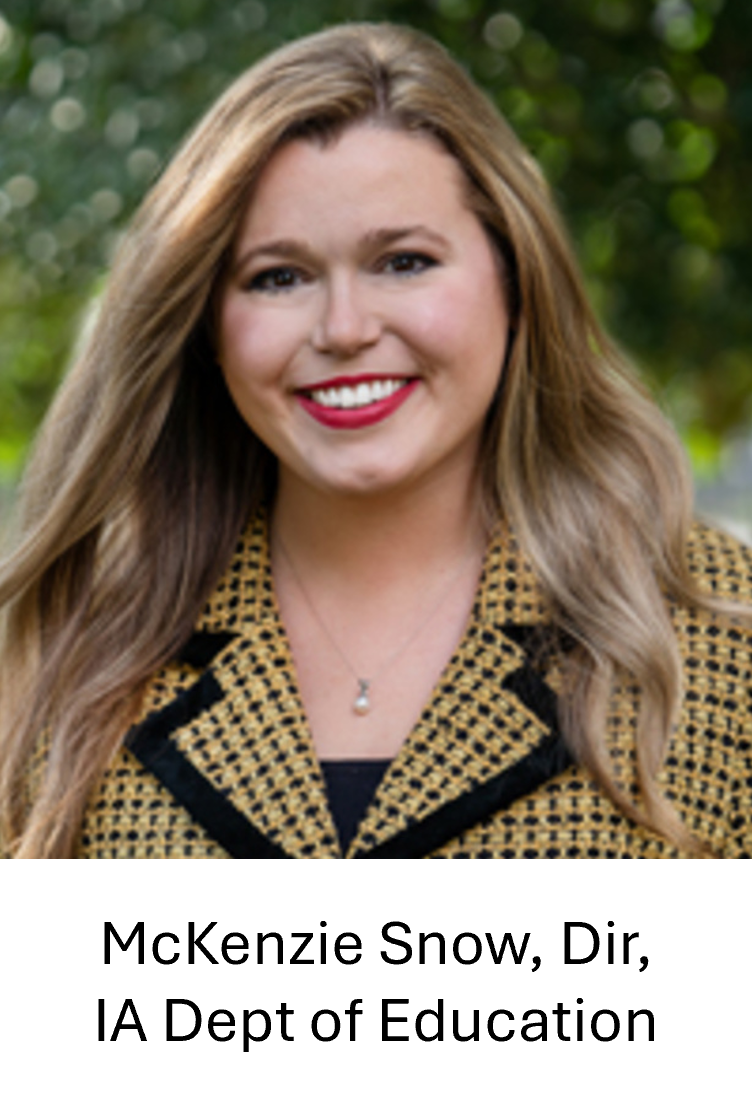
On January 7, Iowa became the first state to be approved for the federal government’s “Education to the States Waiver,” which will redirect more than $8 million from the federal level to state education. WHO News in DesMoines reported that U.S. Department of Education Secretary Linda McMahon visited the “Broadway Elementary School in Denison” to mark the occasion, joined by Iowa Governor Kim Reynolds and McKenzie Snow, the director of Iowa’s Department of Education.
The school showed off its new AI reading program from Amira Learning, which it says has led to “a 7% increase in literacy in just one year.” The program’s Science Behind Amira web page states that the program teaches “Phonological & Phonemic Awareness,” “Phonics & Word Recognition,” “Listening & Reading Comprehension,” among other literacy-focused lessons.
Governor Reynolds said in a press conference following the Broadway school visit that her state welcomes the funding, which she explained will support the programs that are improving results in math and reading for Iowa students. “This means greater flexibility to strengthen the teacher pipeline, narrow student achievement gaps, and to continue our work in evidence-based instruction,” Reynolds said.
Secretary McMahon said that at the Broadway school what she saw was kids “enjoying being in the classroom, interacting with each other, and teachers asking probing questions, causing students to think.”
The funding will be available to Iowa’s Department of Education through 2028.
How waivers work
Returning Education to the States is a federal initiative designed to return education authority to each individual state. This push was fueled both by plummeting national test scores in reading, writing, and math, and by the Trump Administration’s promise to send the responsibility for education back where the president has said it belongs: the states.
The project’s website reads:
- [I]n 2024, only 35% of fourth and eighth graders in our nation were proficient in reading, and only 39% of fourth graders and 28% of eighth graders were proficient in mathematics … Our nation’s failing education system is a direct threat to our economic strength, national security, and civic health. We must restore excellence in education.
On July 29, 2025, the U.S. Department of Education sent letters to all chief state school officers inviting them to use the waiver process in order to be provided with “more discretion over federal programs so that they can put dollars toward options that best meet the needs of students free from bureaucratic red tape.”
The letters outlined “the existing flexibilities for states to reduce compliance burdens, the steps necessary in developing waiver requests, and the Department of Education’s review process for waivers.”
An article on the Noah Webster Educational Foundation website summarized the waiver program in Iowa and weighed the likelihood of its being replicated in other states.
Calling the Iowa’s waiver approval “a historic move,” the article explained that, in sum, it will allow the state “to combine multiple federal programs into a single flexible funding pool.” Previously, programs covered under the various titles of the federal Elementary and Secondary Education Act (ESEA), e.g., Title II (teacher training) or Title III (support for English learners), as well as district level programs, e.g., Title I-A, Title I-D, and Title IV-A, all have individual rules and requirements that involve separate reporting and paperwork.
The new waiver program streamlines all this and “lets the state and [school] districts coordinate funding across programs” so priorities like teacher training and improving student outcomes in reading and math can be the focus.
The article summarized how Iowa’s waiver program flexibility will play out on a day-to-day basis:
- The state will be able to manage funds from multiple federal programs (Title II, III, and IV) as a single block grant, allowing the prioritization of initiatives that best meet statewide education needs….
- Local districts will gain flexibility with Title I A, I D, and IV A funds, enabling them to plan multi-year programs tailored to tutoring, enrichment, and additional supports.
- Effective reporting and reduced compliance requirements will free up educators’ time, enabling them to focus their efforts rather than being forced to navigate multiple federal rules.
In short, “the waiver is designed to let funds follow local and student priorities, giving the state and districts the tools to make education decisions that work best for their schools.”
Will other states follow Iowa?
While the Webster Foundation believes the localization of education through the waiver approval system will help ensure “that education decisions reflect the needs of local students and families,” only time will tell how successful it will be. Meanwhile, other states are likely to follow Iowa’s lead.
In fact, the Webster Foundation notes that “other states are watching closely,” and that the Iowa model “could influence how federal education funds are administered nationwide.” If Iowa is successful, it could become the poster child for how public education can be freed from federal bureaucracy and excessive regulation.
One Word Could Let Missouri Students Leave Unsafe Schools
Editor’s Note: While this article is specific to Missouri, parents in other states should check their state’s policy on this issue.
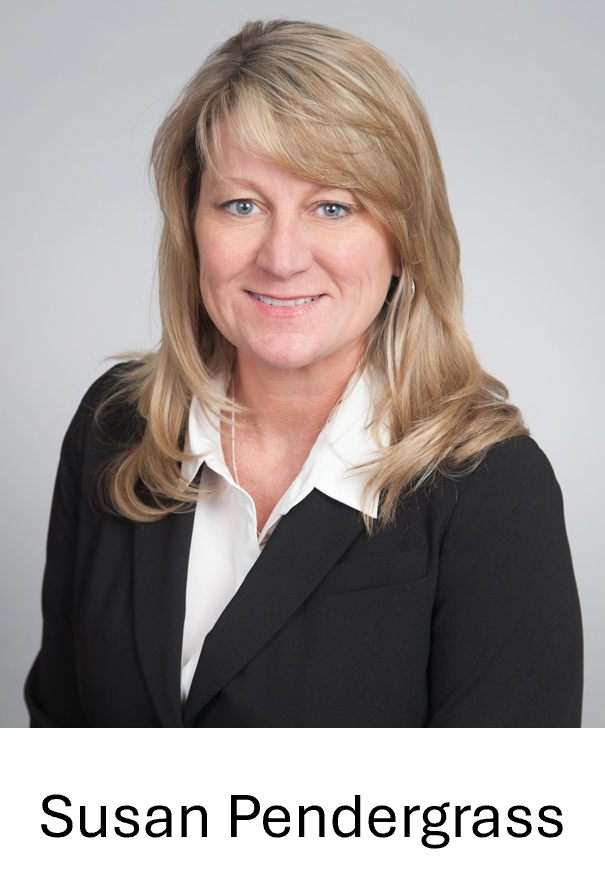
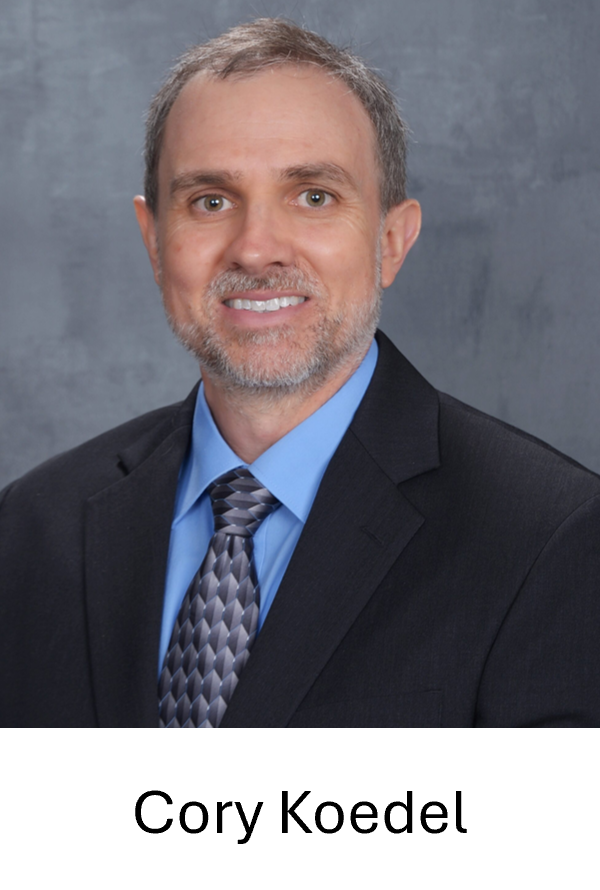
Last October, the Show-Me-Institute sounded the alarm about a problem with Missouri state policy that impacts the safety of schoolchildren. The Institute’s Director of Research, Susan Pendergrass, and Cory Koedel, director of education, penned an article and created a one-page fact sheet to alert parents and citizens of the danger, and to promote what they show would easily fix the problem.
Following is nearly verbatim the article and fact sheet that the authors reissued on December 18.
Under the federal Every Student Succeeds Act (ESSA), states must identify unsafe schools and notify families of students who attend them that they have the right to move their child to a safer public school. This requirement is called the Unsafe School Choice Option (USCO). In Missouri, it isn’t working. The problem comes down to one word in state policy.
Right now, Missouri only classifies a school as unsafe if it has a high rate of violence and a high number of expulsions for three years in a row. Because expulsions almost never happen, these conditions are almost impossible to meet. As a result, no school is ever designated as unsafe, and families aren’t allowed to transfer out.
Changing one word, from “AND” to “OR,” would finally make the rule work the way federal law intended.
What doesn’t work
Since the law passed, there have been nearly 19,000 violent incidents in Missouri schools and over 4,000 weapons violations. In 2024, more than 12,200 Missouri students attended schools that had at least one violent incident in each of three consecutive years, 2022, 2023, and 2024. Even with these numbers, the state has not identified a single school as unsafe.
Missouri schools expelled zero students in 2024 and only five students in 2023. With so few expulsions, the Unsafe School Choice Option almost never applies, even in schools with serious safety problems.
The simple fix: change one word
In places like Poplar Bluff, University City, and the City of St. Louis, students face serious safety problems each year, yet their families have never been told about their rights.
Missouri should replace the word and with or. A school should be designated unsafe if it has serious violence, or a high expulsion rate, or weapons violations.
This one change would help families learn when a school is unsafe and allow them to use the transfer option that federal law gives them.
The following explains how Missouri’s overly narrow definition leaves families without the protections ESSA guarantees and outlines steps policymakers can take to fix it.
The USCO (Unsafe School Choice Option)
The Policy
Under the federal Every Student Succeeds Act (ESSA), passed in 2015, every state must define what makes a school unsafe and any student attending an unsafe school must be allowed to exercise their legal right to transfer to a safer one. This is called the Unsafe School Choice Option (USCO). The burden is placed on states to identify schools that are persistently dangerous and to notify families in those schools of their right to transfer to a safe public school (including charter schools).
Missouri Today
Incredibly, in the ten years since the USCO was put into federal law, Missouri has yet to identify a single persistently dangerous school, even though the Missouri Department of Elementary and Secondary Education (DESE) has reported that over 26,000 violent incidents and 11,000 weapons violations occurred during that time. This leaves families without the transfer option the law intends.
Missouri’s rule sets a very high bar for declaring a school dangerous. A school must show violent incidents or weapons violations every year for three years and exceed expulsion thresholds in at least two of those years. In practice, schools very rarely meet those expulsion thresholds, which makes it almost impossible for any school to qualify. In 2024, not one student in the state was expelled and in 2023, just five were. No school has ever met this combined test.
What Missouri Should Do
The State of Missouri should:
- Revise the definition of a “persistently dangerous school” using clear, annual criteria that reflect real risks to student safety.
- Base decisions on actual incidents, including law-enforcement referrals and weapons reports, with expulsions being a secondary condition. In other words, change the definition from violence and expulsions to violence or expulsions.
- Provide timely, plain-language notice to parents and guarantee real transfer options, including charter schools and cross-district agreements.
Bottom Line
We cannot expect children to learn if they’re worried about their personal safety. This federal law must be enforced with integrity.
Examples of Incidents in Missouri Schools
Poplar Bluff High School
According to the Department of Elementary and Secondary Education, there were 12 violent incidents at this school in 2022, 19 in 2023, and 10 in 2024. In that same three-year period, there were 266 out-of-school suspensions. A violent incident in a Missouri school is when a student uses physical force with the intent to cause serious bodily harm to another person. It is hard to believe that a school with this level of violence feels safe to students.
University City Senior High
From 2022 to 2024 there were 51 violent incidents and 21 weapons violations. Families had no transfer option under USCO.
Vashon High, St. Louis
Teachers petitioned the district about unsafe conditions, and one teacher had to use pepper spray to stop a crowd of students.
Action is Needed
The Unsafe School Choice Option was designed to give families an emergency exit from these situations. Missouri leaders must stop ignoring this law and start empowering parents to protect their children.
Mallard

The Deliberate Dumbing Down of America
by Charlotte Thomson Iserbyt, Conscience Press, 1999
Charlotte Iserbyt’s comprehensive work, referenced in the first article of this issue of Education Reporter, is potentially the most thoroughly researched and documented work ever written on how American education has been subverted, undermined, and yes, “dumbed down” over the nation’s 250-year history.
The late, great author and educator, Samuel Blumenfeld, writing in the foreword of Iserbyt’s book, summed up its extensive content this way:
- Charlotte Iserbyt is to be greatly commended for having put together the most formidable and practical compilation of documentation describing the “deliberate dumbing down” of American children by their education system. Anyone interested in the truth will be shocked by the way American social engineers have systematically gone about destroying the intellect of millions of American children for the purpose of leading the American people into a socialist world government controlled by behavioral and social scientists.
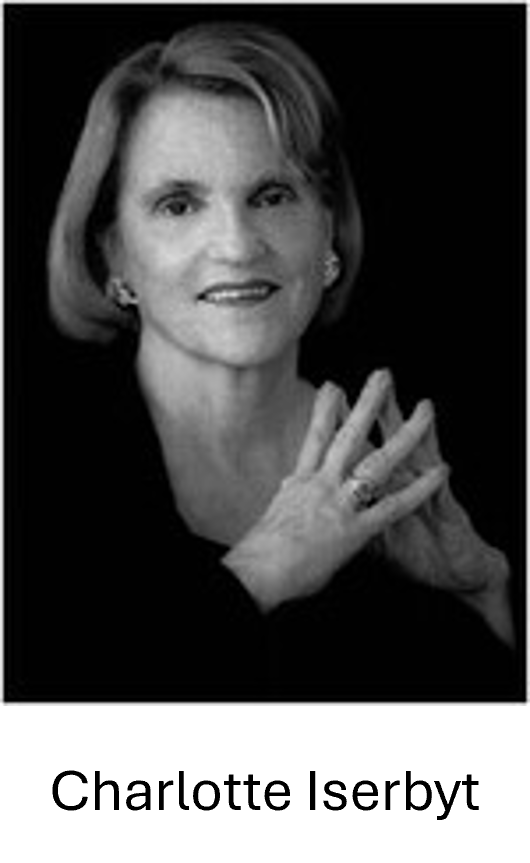 In her review of the work when it was released, Phyllis Schlafly, herself an education expert and praiseworthy author, noted that, while the book appears daunting because of its size, “it was designed this way and is quite user-friendly.” Phyllis pointed out the value of how easily people could make use of Iserbyt’s extensive documentation by taking out or copying pages to present at school-board meetings or other public hearings, in order to prove points or justify positions on important education issues.
As Phyllis observed, “these are verbatim quotes from the ‘change agents’ themselves. This book documents what the education establishment has really been doing to our children, not what they’ve proclaimed they are doing.”
The information in Iserbyt’s book is presented chronologically, beginning with the “sowing of the seeds” of deliberate and detrimental change in the late 17th and early 18th centuries. She skillfully documents how a long line of change agents used a series of education “crises” to advance their agenda and introduced new programs and fads to “fix” the crises that of course never did.
Rather, decades of “solutions” by the educators have only increased the power of the teachers’ unions and, for the most part, erased the imparting of knowledge by developing children’s innate talents and abilities and building on them year over year.
The Deliberate Dumbing Down of America is not a pleasant read, but it is an important one.
It contains 30 years of research by the author, and is a factual history, description, and chronology of the undermining and subversion of American education culminating in the disastrous result we see playing out in the schools today. It describes the frightening shift in educational philosophy, beginning more than 100 years ago and fueled by experimental psychology such as practiced by B.F. Skinner, Ivan Pavlov, and others.
Iserbyt leaves no stone unturned in unmasking the names and educational machinations of numerous players over nearly 15 decades. She covers the socialist/Marxist angle, the globalist angle, the perverted sexual angle, the endless psychological manipulation, and the resultant moral relativism that has only become more extreme since she wrote the book in 1999.
If knowledge is power, readers would be wise to avail themselves of a resource such as The Deliberate Dumbing Down of America. While Charlotte Iserbyt passed away in 2022, she left a valuable legacy of facts with which every parent and concerned citizen should be armed.
To read the entire book, go to Amazon.com to order!
Education Briefs
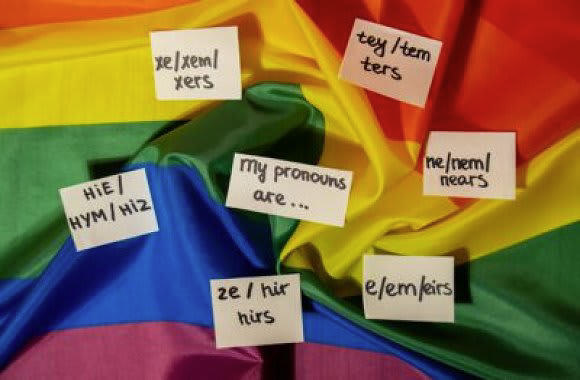
The Frederick County, Maryland school board approved changes in December that call for teachers to ‘protect gender diverse students’ by using their ‘preferred pronouns.’ This change is on top of the board’s 2017 Policy 443 that allows male students to participate in girls’ sports if they “identify” as female, and includes “numerous definitions” for teacher guidance, such as “transgender, intersex, gender-questioning, and gender non-conforming.” Likewise, students are expected to know and use the preferred pronouns of their peers, and may be targeted as bullies if they fail to do so. According to The College Fix, board member Jaime Brennan called for “the complete dissolution of Policy 443, saying students’ and teachers’ religious rights were being violated, and that it makes no sense that parents are to be notified about their child’s gender identity only if the child agrees.” One like-minded colleague, board member Colt Black, warned logically that Policy 443 “could cost the district $40 million in federal funding due to the Trump administration’s executive order on males competing on female sports teams.” But despite Brennan’s and Black’s bold stand, the new policy changes passed. The College Fix noted that the added burden to teachers will consist of each one having to memorize “the gender identities and pronouns” of approximately 200 students.
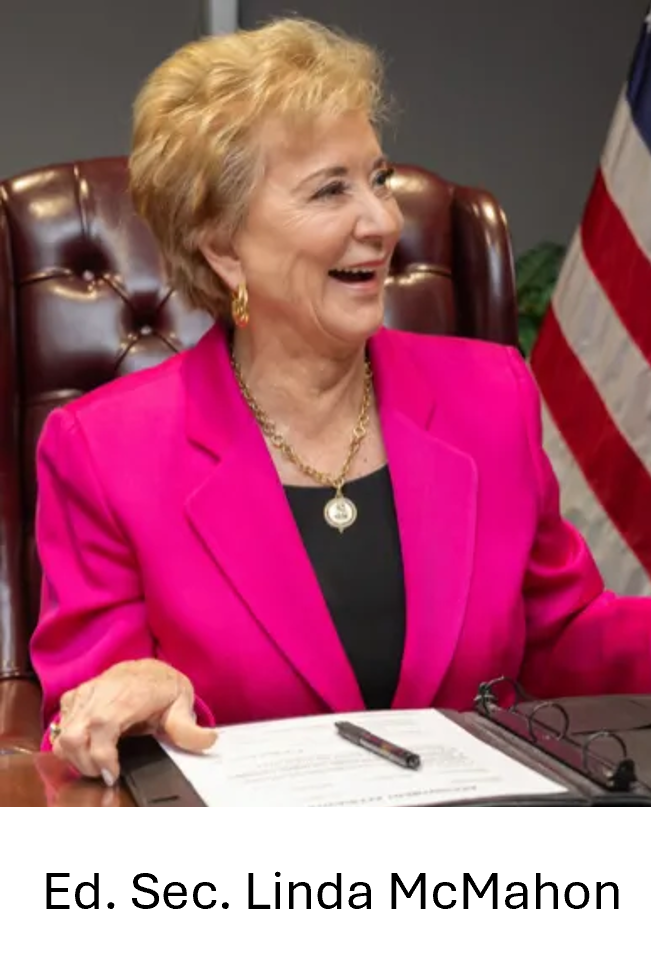
On top of the high-profile illegal immigrant fraud and politically fomented unrest in his state, which he currently stands accused of playing a part in, Minnesota Governor Tim Walz is also under fire for allowing ‘ghost students to game college applications.’ The Washington Examiner reported that last month, Education Secretary Linda McMahon rebuked Walz in a letter for the number of fraudulent so-called “ghost students” in Minnesota who are applying to universities. These applicants are actually “fraudsters” who pose as students in order to receive taxpayer-funded college grants and loans. McMahon explained that the fraudsters employ “artificial intelligence bots” to organize “through international crime rings, and often use the information of deceased individuals.” McMahon wrote: “In Minnesota, 1,834 ghost students were found to have received $12.5 million in taxpayer-funded grants and loans. They collected checks from the federal government, shared a small portion of the money with the college, and pocketed the rest — without attending the college at all.” She scolded Walz: “Shame on you for allowing this to happen and for benefitting from it,” and urged him to “stop defrauding American taxpayers.” She added that the Trump Administration would ensure that Walz will not be able to continue dodging accountability for his actions.

A new study found that Gen Z college freshmen are unable to do basic math. The findings confirm what has already been established through previous reports and published test scores in both math and reading. This study by the University of California-San Diego shows that “over the last five years, college freshmen are, on average, at a fifth-grade math level at best.” This is even the case at UC-San Diego, which reportedly accepts only 30% of its applicants. A CafeMom article quoted the New York Post as speculating: “Considering that high school graduation records are higher than ever, it is evident the country is guilty of inflating grades.” American Enterprise Institute senior fellow and education expert, Robert Pondiscio, told the Post: “You can literally declare a kid a graduate …The incentives are in the system to make ourselves look good. High GPA, high graduation rate, etc. — when it’s a mirage.” Also muddying the waters is the influence of AI, which experts say both offers promise and raises serious concerns, but which was not considered in the study. The Post noted that grade inflation “seems to be catching up with kids. Over two decades, graduation rates increased by more than 10% and rose nationally from 74% in 2007 to 87% in 2020.” These findings bode ill for young people, employers, and American society in general, because it means that more and more high school graduates are entering college without even the most basic skills necessary to succeed.
‘Power Rainbow’ by Harvard grad students teaches 3rd graders about systemic oppression
Originally posted at The College Fix, December 17, 2025. Reprinted by permission
Two Harvard University graduate students developed a “Power Rainbow” tool to teach elementary schoolers about systemic oppression, including one who was the recipient of a publicly funded scholarship that recently came under Congressional scrutiny.
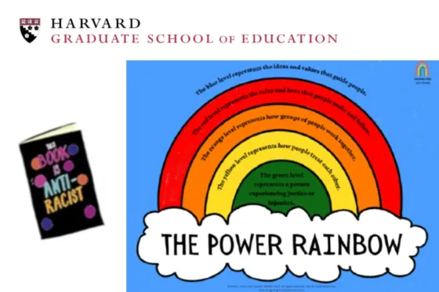
Anna [Kirby] Deloia, who has since graduated from the Harvard Graduate School of Education, and Hania Mariën, a doctorate student, published the “Power Rainbow” in 2023 to help third- to fifth-grade children “make sense of power and how it shapes our lives and societies,” according to the school’s website.

The curriculum tool is designed to shift children’s thinking away “from an individual or interpersonal perspective on injustice.” Instead, it teaches them “a more accurate, structural analysis informed by how power operates at different levels of society (e.g., individual unfair actions are influenced by institutions, laws, and cultural norms),” the webpage states.
Deloia was a 2017 recipient of the Truman Scholarship, the subject of a recent Congressional hearing. A series of analyses by The College Fix found that the scholarship is overwhelmingly granted to left-leaning students, and, in some years, no recipients were openly on the right politically.
Overseen by U.S. Congress and funded by taxpayers, the $30,000 scholarship is awarded to around 50 students annually. Awardees promise to spend three of their first seven years after finishing graduate school in public service.
Adam Kissel, a visiting fellow in the Heritage Foundation’s Center for Higher Education Policy, told The College Fix in an email last week that Deloia “appears to be the kind of progressive ‘change agent’ the Truman Foundation privileges in its materials.”
“If the Foundation refuses to remove such biases from the program, Congress should find a better way to honor President Truman’s legacy,” Kissel said.
Frederick Hess, a senior fellow at the American Enterprise Institute who has conducted research on the leftward bias of the Truman Scholarship, echoed these concerns in an email to The Fix. Both he and Kissel testified at the hearing Dec. 3, as well as College Fix Editor-In-Chief, Jennifer Kabbany.
While declining to comment specifically on the Power Rainbow, Hess said, “I continue to have profound concerns that an esteemed, public, taxpayer-funded scholarship program has so little room for conservative views or values and that the program leadership seems determined to ignore the concerns.”
Deloia created the “Power Rainbow” in 2023 after receiving the scholarship, and it continues to be used today. In October, co-creator Mariën taught a workshop about it at the Northwest Teaching for Social Justice Conference in Portland, Oregon.
“Grown-ups have created complicated systems of power that can be hard to understand, and equally hard to explain and explore with kids,” according to a description of the workshop.
It says that Mariën used a comic and a “hands-on activity” to teach educators about the Power Rainbow.
The Fix contacted Deloia and Mariën multiple times via email asking for more details about their project, including how many schools have used it, but neither responded.
The summary of the Power Rainbow on Harvard’s website states that it is designed to teach children “the type of structural thinking necessary to research and take action towards more just futures.”
The rainbow contains five levels that, from lowest to highest, represent “a person experiencing justice or injustice,” “how people treat each other,” “how groups of people work together,” “the rules and laws that people make and follow,” and “the ideas and values that guide people.”
Deloia and Mariën also published coloring pages for teachers to use with students.
The co-authors wrote an article detailing the development of their educational tool in the journal Frontiers in Education in 2023. They wrote that “the ability to recognize and analyze systems of power is integral to developing a deep understanding of how injustice is perpetuated, as well as how we can work to dismantle it.”
“Awareness of power often emerges through some form of critical education,” they wrote. “However, it is rarely highlighted in pedagogy or media for children, even within progressive and social justice-oriented spaces.”
In their conclusion, the authors stated that the Power Rainbow “could be brought into classrooms and used as a framework to explore the roles power plays in a variety of different academic subjects.”
Deloia and Mariën wrote that the education tool also is useful “in our adult lives, when we encounter instances of injustice or examples of social activism.”
The two co-run Imagining More Just Futures, “a social justice education project for children and their grown-ups” that promotes the Power Rainbow and “anti-racist” beliefs, according to its website.
The project is a collaboration with Harvard University’s Graduate Commons Program.
The goal is to teach children how to “imagine more socially just futures, and take steps toward creating those futures” by addressing “unfairness.”
As part of the project, Deloia and Mariën also ran a “Critical Participatory Action Research” camp and an “Intergenerational Identity Book Club” that gave families the chance “to engage in conversations about social identity and social justice.” However, neither program appears to be currently running.
Education Related Links

Reader Books Flyer 2025