Is China’s Influence in U.S. Education Over, Under, or Around and Through?
Confucius say: “When it is obvious that the goals cannot be reached, don’t adjust the goals; adjust the action steps.”
On October 30, 2023, the U.S. Government Accountability Office (GAO) released a report showing that “nearly all” Chinese Confucius Institutes operating on U.S. college and university campuses had been closed. The purpose of the institutes was allegedly to teach Chinese language and culture, but rumors of spying, indoctrination, and intellectual property theft by Chinese nationals began circulating shortly after the arrival of the institutes in 2004 during the administration of George W. Bush.

The GAO report showed that the number of institutes had dwindled from 100 in 2019 “to fewer than five” in 2023. At their height, the institutes numbered approximately 118. The commonly cited reason for the closings was “the potential loss of federal funding and external pressures,” including limitations on funding set by the Department of Defense in the National Defense Authorization Acts for fiscal years 2019 and 2021, and “pressure from U.S. government, congressional, or state representatives….”
In other words, U.S. educators and politicians were getting wise to the institutes’ real goals. For example, the Chinese “Centre for Language Education and Cooperation,” or Hanban, “controls nearly every aspect of a Confucius Institute’s operation in the United States,” including helping obtain Chinese teachers or advisors from Chinese schools to provide instruction and develop curricula. Numerous reports have shown that instead of teaching Chinese history and culture, many institute teachers have been more inclined to exploit divisive American topics such as social justice and racism.
But Chinese money talks, and funding of U.S. educational institutions by the Chinese Communist Party (CCP) ranks at the top of reasons they have welcomed the Confucius Institutes. In 2020, Education Reporter documented warnings by education experts that “the widespread failure to report [this] foreign funding leaves millions of dollars’ worth of Chinese government funding in the dark.”
While the U.S. Department of Education under the first Trump Administration attempted to crack down on institutions that fail to disclose foreign sources of funding such as China, the department admitted in August 2020 that “colleges and universities have hidden at least $600 million from China” since 2010.
Same infiltration, new name
The National Association of Scholars (NAS) reported in June 2023 that many U.S. schools had already replaced their Confucius Institutes with “substantially similar” programs, “or maintained closed relationships with Chinese institutions that had partnered in the Confucius Institute. These rebranding efforts match those of the Chinese government,” they wrote, “which has reorganized Confucius Institutes under a new organization, the Chinese International Education Foundation.”
Fast-forward to December 2025. On December 3, a Washington Free Beacon article published by the Foundation for Defense of Democracies (FDD) contends that in several instances, American universities have partnered with a Chinese institution known to have close ties to the Chinese military. One such partnership “is between the University of Michigan, a premier U.S. public university, and Shanghai Jiao Tong University,” which “is located on a PLA information engineering base in Shanghai.” The PLA (People’s Liberation Army) is China’s military force, the largest in the world.
Then there are the Chinese Student and Scholar Associations (CSSA), which the FDD says “closely resemble the late Confucius Institutes.” According to the Southern Illinois University website, for example, the CSSA “is the official organization for overseas Chinese students and scholars registered in most colleges, universities, and institutions outside of China.” The CSSAs have likewise been criticized for controlling Chinese students and professors by censoring their speech and for being involved in espionage and the persecution of groups such as Falun Gong.
A definite downside to the ongoing focus on Confucius Institutes in higher education is that those operating in K-12 classrooms have continued unfettered. As with critical race theory (CRT), DEI, and transgender indoctrination that includes the grooming and transitioning of students, Confucius Institute classrooms often hide the curriculum or use another name. As the Free Beacon notes: “K-12 schools, which unlike universities don’t rely on federal grant funding, are under no obligation to publicly report these connections, and the information is frequently only obtained via Freedom of Information Act (FOIA) requests where possible.”
A 2023 investigative report by the parent-driven organization, Defending Education, found that K-12 Confucius Institute classrooms were operating near 20 major U.S. military bases. The group wrote: “Chinese state media has touted the work done by Confucius Institutes and Confucius Classrooms to further the Chinese Communist Party’s global influence.” This report is filled with eye-opening detail and definitely worth a read by anyone concerned with Chinese “soft power” incursions into American education.
Spring Education Group
Another threat by China to K-12 education is a relatively recent effort to influence private-school students by buying the schools outright. The Free Beacon wrote that “the Hong Kong-based Primavera Capital Group owns the Spring Education Group, a for-profit company buying up private schools across the United States….” A quick check of Spring Education Group’s website shows it operates an array of schools nationwide, including pre-schools through grade 8, with some schools including pre-K through grade 12.
A check of Primavera’s website shows that the company’s founder, Fred Hu, “was invited to participate in the World Economic Forum Annual Meeting 2025 in Davos, Switzerland,” during which he shared insights on the “US-EU-China Triangle” regarding “the prospects of the Chinese economy and the evolving dynamics of US-EU-China relations.” Primavera’s website also shows that its portfolio includes ByteDance, the parent company of TikTok.
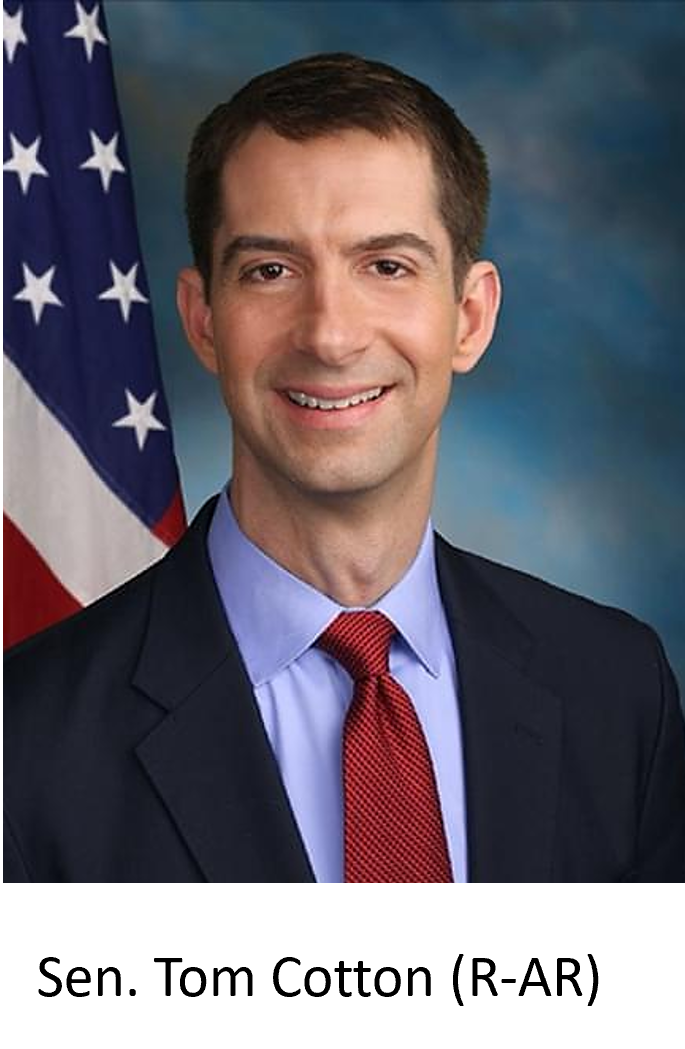
According to the Free Beacon, Primavera previously owned the Princeton Review and Tutor.com. In February 2024, Arkansas Senator Tom Cotton wrote a letter urging then-Secretary of Defense Lloyd Austin “to sever the Department of Defense’s (DoD) contract with Chinese-owned Primavera Capital Group,” which owned Tutor.com at the time. Cotton’s concern was that the tutoring service the DoD was using for both military members and their children posed risks to national security due to its “having access to American service members’ data and [he] requested information on DoD’s relationship with the company.”
Senator Cotton wrote in part:
- While providing educational services, Tutor.com collects personal data on users, such as location, internet protocol addresses, and contents of the tutoring sessions. As Chinese national security laws require companies to release confidential business and customer data to the Chinese government, we are paying to expose our military and their children’s private information to the Chinese Communist Party.
It should be noted here that Primavera may no longer own Tutor.com, and that the Department of Defense announced at the end of March 2024 that it would continue to use the service.
House passes legislation
On December 4, 2025, the U.S. House of Representatives passed H.R.1069 – the PROTECT Our Kids Act to stop the federal funding of schools that receive funds from China. Sponsored by Rep. Kevin Hern (R-OK), the bill specifically “prohibits such funding for any school that (1) has a partnership in effect with a cultural or language institute funded by the Chinese government, including a Confucius Institute; (2) operates a learning center supported by the Chinese government (commonly referred to as a Confucius Classroom); or (3) receives support from an individual or entity acting on behalf of the Chinese government, including support in the form of teaching materials, personnel, funds, or other resources.”
H.R. 1069 contains a caveat, however. It allows a school to obtain a waiver to keep the funding for such a program if the contract contains a statement demonstrating that it “is for the benefit of the school’s mission and students and will promote the security, stability, and economic vitality of the United States.”
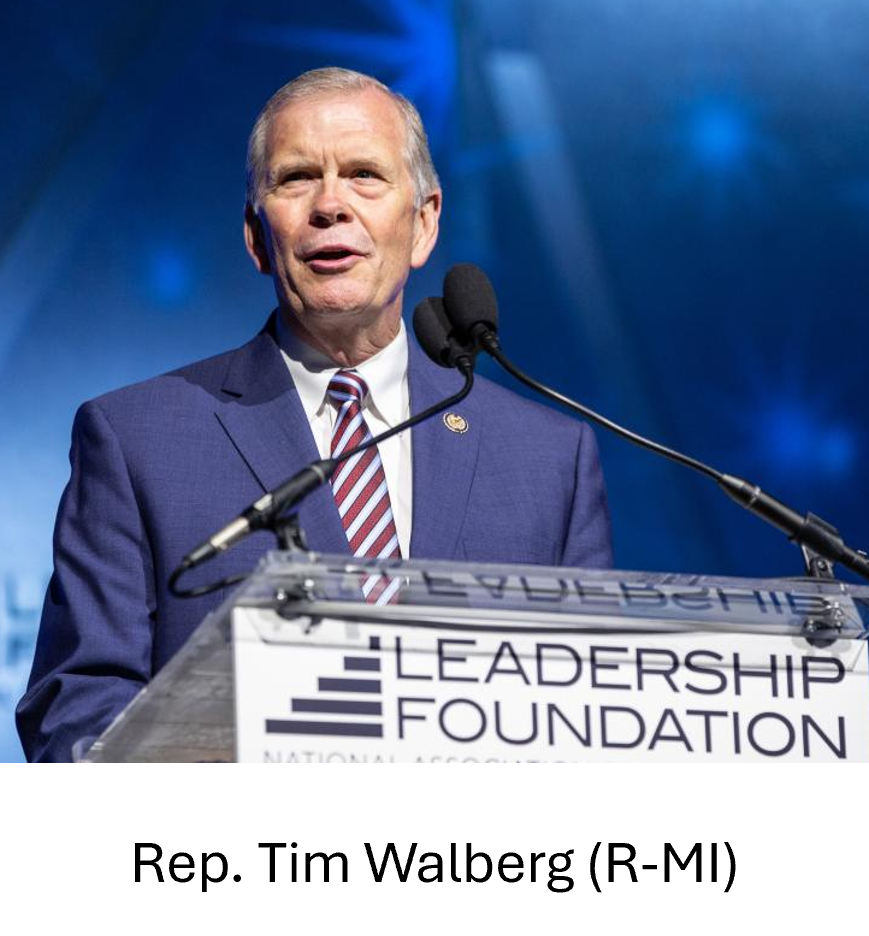
Rep. Tim Walberg (R-MI) told the Washington Examiner: “Authoritarian regimes around the world, like the Chinese Communist Party, are trying to use lucrative financial ties with schools to undermine American values and interests.” Walberg is chairman of the House Committee on Education and the Workforce. He added: “Confucius Classrooms are a prime example of how foreign-funded programs can shape curricula and exert influence in our K-12 classrooms.”
Another bill, H.R. 1005, Combating the Lies of Authoritarians in School Systems (CLASS) Act, also passed in the U.S. House. Introduced by Rep. David Joyce (R-OH), the CLASS Act requires public elementary and secondary schools receiving financial assistance in excess of $10,000 from a foreign source or entering into one or more contracts with an aggregate value “in excess of $10,000 with a foreign source” must make full disclosure within 30 days of obtaining the funds.
The disclosure must include the name and country of origin, the amount of funds received, and any terms or conditions associated with the receipt of the funds. In the event of a contract, the terms and conditions of the contract must be disclosed. The bill has been introduced in the Senate and referred to the “Committee on Health, Education, Labor, and Pensions.”
Finally, the House also passed H.R. 1049, the Transparency in Reporting of Adversarial Contributions to Education (TRACE) Act, introduced early this year by Rep. Aaron Bean (R-FL). This bill requires schools to inform parents “of foreign influence in their child’s public school….” It requires disclosure of “any curricular material or professional development material used at the school that was purchased, or otherwise obtained, using funds received from the government of a foreign country or a foreign entity of concern….”
This bill has also been received by the Senate and referred to the Committee on Health, Education, Labor, and Pensions.” Together, these three bills are intended to curb the encroachment of foreign influences in U.S. public schools, particularly by the CCP.
Epic literacy
Last September, Defending Education published an article by The Free Press describing the Epic literacy platform for U.S. public school students. This reading tool “hosts over 40,000 books—and its appeal includes the ability to collect data from young readers in real time, which helps teachers and parents develop specialized reading plans based on each student’s skill level and interests.”
However, the tool’s owner, Epic Kids, was sold last May to the “Chinese tutoring company TAL Education Group in bankruptcy court for $95 million.” Experts worry that the “incredible amount of data” accumulated by the online literacy tool represents a similar national security risk as TikTok.
The Free Press writes that Epic’s reading tool “is used by 94 percent of American elementary schools and reaches the homes of over 75 million kids. According to the U.S. Securities and Exchange Commission, while the TAL Education Group is based in the Cayman Islands, “its core business operations are in China and are potentially vulnerable to Chinese government intrusion.”
The article warns that “Chinese laws are not governed by common law principles,” and that “national security is a sweeping term that can be used with the government’s discretion.” TAL Education Group told the SEC that “there are substantial uncertainties in how China’s laws are interpreted and applied.”
The risks to U.S. national security posed by Chinese-owned platforms are “very real,” as many U.S. officials of both parties agree. But former Rep. Mike Gallagher (R-WI) noted in 2024 that “the primary concern has always been propaganda.” He added: “We know that Xi’s goal is to dominate discourse power and wage ideological warfare against the West.”
More Race Baiting in Minnesota Fueled by NEA Affiliate
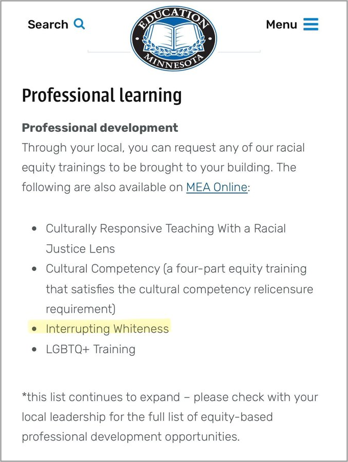
Never lacking in controversy, particularly with regard to education, the state of Minnesota is doubling down on its woke social justice agenda that many view as little more than politically motivated race baiting. Last month, the state’s NEA affiliate, the Minnesota Education Association (MEA), created a stir by offering professional development courses for teachers on topics such as “Interrupting Whiteness” and “LGBTQ+ Training.”
This divisive initiative for teachers, called MEA FIRE – Facing Inequities and Racism in Education, “aims to disrupt systemic racism and racial inequities in Minnesota’s education system.” The MEA website explains that the FIRE training program “leads Minnesota’s educators in a movement to live equitably and practice recognizing and responding to inequities and injustices.”
The website encourages teachers to work with FIRE in their own districts to “transform public schools into more equitable institutions.” It instructs teachers to request that these “equity trainings” be brought to their schools through their union locals, as well as by accessing sessions on MEA Online, where the choices include:
- Culturally Responsive Teaching with a Racial Justice Lens
- Cultural Competency (a four-part equity training that satisfies the cultural competency relicensure requirement)
- Interrupting Whiteness
- LGBTQ+ Training
The Daily Caller News Foundation explained that Minnesota educators “are required to fulfill a ‘cultural competency’ training in order to renew their teaching licenses, which can include topics such as ‘Systemic Racism,’ ‘Gender Identity, Including Transgender Students,’ ‘Language Diversity,’ and more.”
A November 27 post on X shared the Libs of TikTok’s exposé of the MEA training program, where the Libs asked rhetorically, “Why do they hate white people?” The parent who reposted the item noted: “I just want Minnesota kids to be able to read and write at grade level,” which sparked many parents to acknowledge the tragedy that basic skills are no longer emphasized or even taught in some schools.
‘Equity EdCamps’
But the MEA’s efforts are not necessarily locally grown. For example, the website describes training programs called Race “Equity EdCamps” as “organic, participant-driven professional learning experiences for educators across the country and worldwide.” The camps are day-long events scheduled by “organizers” but which are allegedly “participant driven.”
Although the Edcamps cover many topics and focus on technology, the parent company, Digital Promise, states that its three impact goals “are equity-focused” and that the organization centers its work “on equity for those farthest from opportunity, utilizing the power of networks to accelerate innovation….” The intent to improve the lives of less fortunate students may appear laudable, but it’s easy to imagine how Race Equity Edcamps can be steered to reflect far-left, racially divisive themes.
Meanwhile, as noted in countless news reports about low student test results nationally, Minnesota’s public-school students regularly score below proficient in reading and math. The Daily Caller noted that in 2024, “more than half of 4th-grade students in Minnesota tested below the national proficiency standard” in math, with “66% of 8th graders testing below proficient in math, and 72% testing below proficient in reading.”
NEA influence
It’s doubtful that the MEA or any other NEA state affiliate is creating training programs such as FIRE in a vacuum. For example, Fox News reported last month about an upcoming training session sponsored by the NEA and scheduled to take place in December that would “instruct members on how to go through a gender transition at work, including best practices for using gender pronouns and combating transphobia, while also being provided with literature labeling conservative opposition as ‘villains.’”
The NEA’s UniServ and Organizing Training Program List for 2025-2026 spells out its radical options for staff and members, including both in-person and online training events. Some of its “Focus Academies” program titles include:
- Organizing on HBCU Campuses (Historically Black Colleges and Universities)
- Advancing LGBTQ+ Justice
- Advancing Racial Justice
- Winning School Board Elections
- Organizing with ESP (Education Support Professionals)
These sessions all appear poised to impart and/or reinforce far-left ideology. Under “Advancing Racial Justice,” for example, the following tidbits indicate the training will:
- Establish a common language for talking explicitly about white supremacy culture in a campaign cycle
- Deepen skills and strategies to confront implicit bias, micro-aggressions, and stereotypes
- Develop a shared understanding of the levels of racism with a focus on a power analysis required to make change at various levels
- Develop a toolset of tactics for dismantling systems of privilege and oppression
The Advancing LGBTQ+ Justice training program lists similarly inflammatory topics, including how to “deepen skills and strategies to confront implicit bias, micro-aggressions and stereotypes in the LGBTQ+ community,” and how to develop tactics “for dismantling systems of privilege and oppression as it relates to LGBTQ+ educators and students.”
Defending Education’s investigative reporter, Kendall Tietz, told Fox News Digital that “the NEA is sending the wrong message to both educators and students” with these training materials. Tietz said: “Every time we get a look behind the curtain at the National Education Association, its priorities are unmistakable: a race-based, gender-ideology-driven model of activist education.”
NEA handbook exposes real agenda
Last July, the American Culture Project’s senior fellow, Corey DeAngelis, called attention to the NEA’s handbook, which exposes the union’s radical agenda and “was removed from the internet” after he leaked its contents on X.
The 2025 issue of the handbook, which Education Reporter referenced briefly in November, “is a blueprint for extremism, not education” DeAngelis wrote. He explained that the handbook insists upon educators acknowledging “the existence of white supremacy culture as a primary root cause of institutional racism, structural racism, and white privilege,” and demands that school districts “provide training in ‘cultural competence, implicit bias, restorative practices, and racial justice.’”
DeAngelis said the handbook also calls for “illegal racial quotas” that prioritize “identity over merit, dividing teachers and distracting from student needs.” Even the NEA’s 2025 Teacher of the Year, Ashlie Crosson, admitted at the annual NEA convention in July that teaching is “deeply political.” Presumably, Crosson’s politics are acceptably leftist in view of the honor she received from the nation’s largest teachers’ union.
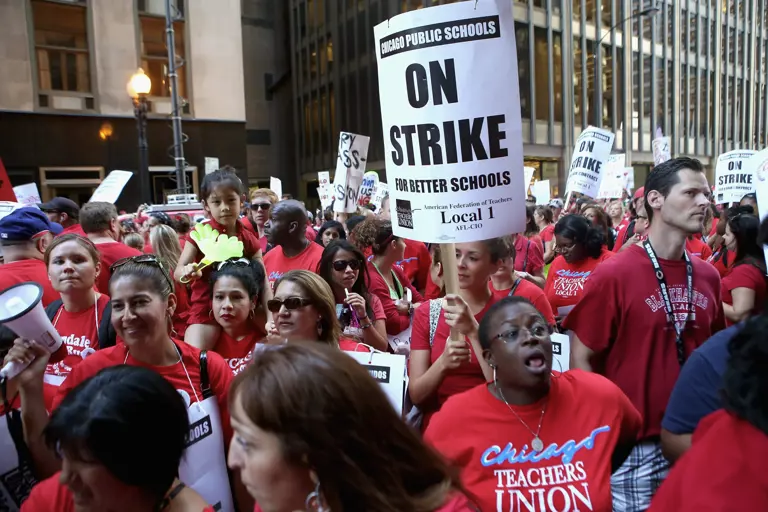
Given the tone and rhetoric of the NEA’s training manual and materials, is it any wonder the Minnesota affiliate has drawn fire over its “professional development” offerings? Of course, the MEA has the backing of its highest elected state official, Gov. Tim Walz, who signed legislation into law to fund these types of “race-based teacher trainings” and extremist “ethnic studies” curricula with which to propagandize and divide Minnesota’s schoolchildren. (See Education Reporter, October 2025.)
STUDENT Act would curb NEA
Last July, Rep. Scott Fitzgerald (R-WI) introduced H.R. 4658, the “Stopping Teachers Unions from Damaging Education Needs Today STUDENT Act.” This legislation notes that the NEA “was chartered in 1906 by an Act of Congress (34 Stat. 804, chapter 3929) to elevate the character and advance the interests of the profession of teaching; and to promote the cause of education in the United States.”
The bill’s text then observes that the NEA “can no longer be considered a patriotic or national organization worthy of its Federal charter as it has drifted substantially from its core mission and become a massive political operation dedicated to electing Democrats and imposing a radical progressive agenda on the schools of the United States.”
The STUDENT Act aims to do more than revoke the union’s charter. The text notes that at its annual assembly in July, NEA members “voted against adding a business item to the organization that stated: ‘The National Education Association will rededicate itself to the pursuit of increased student learning in every public school in America by putting a renewed emphasis on quality education. NEA will make student learning the priority of the association.’”
This failure to approve an obviously necessary resolution to address the failure of public schools to teach basic skills, while at the same time voting to support “abortion, illegal immigration, and expanding professional development for educators to help create student Gender Sexuality Alliance clubs,” provided additional impetus for H.R. 4658.
The bill’s text further documents the NEA’s spending on political activities and lobbying, as well as calling out an expenditure of $56,500 for “researching and shaming organizations fighting the inclusion of critical race theory in schools.”
After detailing the egregious activities of the NEA, the STUDENT Act then lists the steps it would mandate to reshape the union. As Corey DeAngelis described:
- The STUDENT Act is a kill shot. Unlike revoking the NEA’s charter — a symbolic jab that wouldn’t stop its antics — this bill dismantles its power. It bans lobbying and political activity, choking off its Democratic pipeline. It ends racial quotas, ensuring merit-based leadership. It mandates annual reports to Congress…. It prohibits strikes, keeping schools open for nearly 50 million students. It scraps the NEA’s D.C. property tax exemption and requires informed consent for dues, ending automatic deductions.
Currently, the STUDENT Act remains in the House Committee on the Judiciary and no further action has been taken to move it along. In the meantime, the NEA continues to abuse its privilege and spread its poison.
Parents and concerned citizens may wish to contact their representatives and urge them to support H.R. 4658. Currently, there are 25 Republicans and 19 Democrats on the House Judiciary Committee and the chairman is Rep. Jim Jordan (R-OH).
Homeschooling Boom Continues
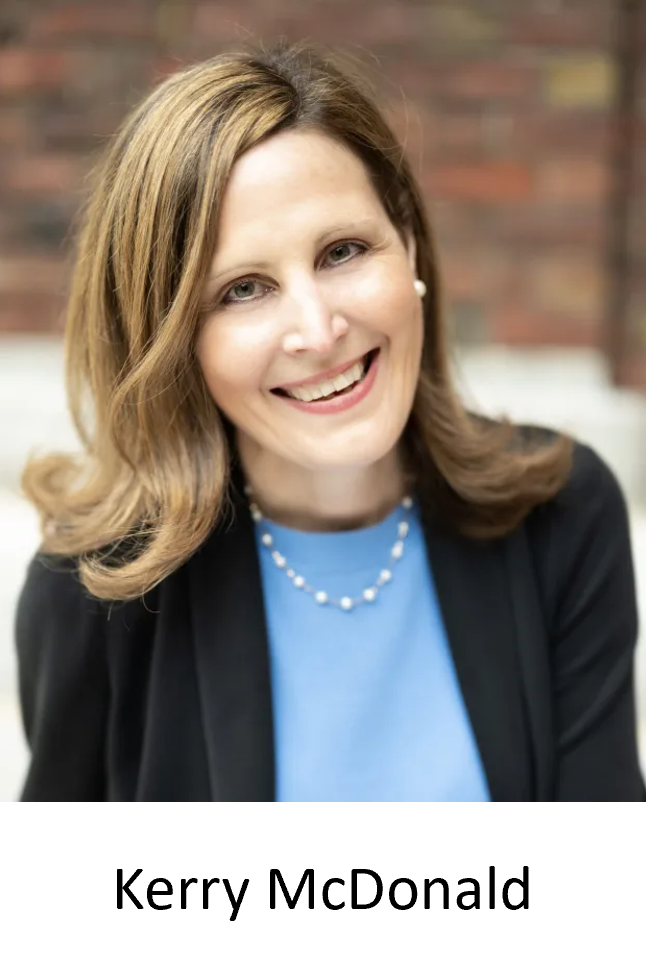
In a December email to her subscribers, the Foundation for Economic Education’s (FEE) Kerry McDonald called attention to a new report on homeschooling by Dr. Angela R. Watson of Johns Hopkins University’s Institute for Education Policy. Watson’s key finding is that during the 2024-25 school year, “homeschooling grew at an average rate of 5.4% nationally—far exceeding the 2% growth rate in pre-pandemic years.”
Professor Watson reiterated what has become common knowledge, that homeschooling boomed during the COVID-19 pandemic and then declined slightly once brick-and-mortar schools reopened in late 2020 and early 2021. The 2023-24 school year showed a rebound for homeschooling, but the big news is its impressive growth during 2024-25.
The report shows 36% of states that collect homeschooling data “recorded their highest homeschool enrollment numbers ever — exceeding even the peaks reached during the pandemic.” Only Hawaii and Tennessee showed a decline in homeschooling.
Highs and lows
Watson points out that her report is based on data collected and disseminated by states that require homeschoolers to register, in most cases with their local school districts, and that only these families are counted. She notes: “There is no guarantee that all homeschool families report. Conversely, it is also unlikely that families would falsely report homeschooling while their children attend traditional schools. Therefore, we consider these counts as the minimum number of homeschooled students in each state.”

Another consideration is that reporting states include students who attend microschools, an option that has become popular in the post-pandemic years, but is not homeschooling in the strict sense of the word. However, some children who attend microschools are partially educated at home. (See Education Reporter, November 2023 and March 2025.)
Of course, not all states require homeschooling families to register. Watson shows that 21 states do not report homeschooling numbers, and that 82% of the states that do report showed homeschooling increases during 2024-25. “In some cases,” she notes, “the increase is small. For example, homeschooling in Louisiana only grew by 1% over the previous year,” yet Louisiana is one of the states showing continuous year-over-year growth.
Some states experienced double-digit growth, including New Hampshire (14.5%), Vermont (17%), and Maine (10.8%). Another of the states that has experienced sustained year-over-year growth, South Carolina, recorded the highest percentage of growth at 21.5% in 2024-25. Watson reports that Georgia, Minnesota, Nebraska, North Dakota, Ohio, and South Dakota all recorded their highest growth rates ever.
FEE’s McDonald observes that as homeschooling continues to grow, so does it spread by word-of-mouth, which helps create networks and opportunities for resources, and opens the door to alternative educational options many parents may not have otherwise considered. “Additionally,” McDonald writes, “the proliferation of low-cost microschools and other schooling alternatives make it easier than ever for families to choose the homeschooling option while enrolling their children in a learning community for all or some of the week.”
It’s certain that, as the current education year moves into 2026, more data will be gathered and disseminated on the homeschooling phenomenon, and Education Reporter will provide updates. As Professor Watson writes: “We’re seeing something remarkable here. Homeschooling growth is nearly triple the pre-pandemic rate and shows no signs of slowing down. This isn’t a pandemic hangover; it’s a fundamental shift in how American families are thinking about education.”
Johns Hopkins Homeschool Hub
Many resources exist for homeschooling families, and the Johns Hopkins Institute for Education Policy’s Homeschool Hub is one of them. The Hub bills itself as “a one-stop resource for current information on homeschooling data, regulations, and research across the United States … All fifty states — all in one place.”
Watson explained in an October 2025 YouTube interview that Johns Hopkins does all manner of education research. She explained that since she had already captured homeschooling numbers for each state in her research prior to the pandemic, she was tapped to write a report on the topic. This report triggered the suggestion that she make her database available to the public.
Watson’s research “became the impetus for the Homeschool Hub concept,” with the original intent merely to make her data available to other researchers, media, and stakeholders. When asked how the Hub evolved from its earliest stages, she explained, “We decided we needed a page for each state, and thought that, while we’re at it, we might as well include [homeschooling] policy and requirements by state.”
The professor and her team have continued to add data, such as information about military families and homeschooling, about gifted and talented students and homeschooling, and more. “We kept adding information both per outside requests and as we saw a need,” she said, “and we’re running as fast as we can to get everything on the HUB as quickly as we can because the demand has just been incredible.”
Watson is currently researching homeschooling for special needs students in order to identify specific resources available to such children on a state-by-state basis. She and her team at Johns Hopkins’ Homeschool Research Lab continue to collect data, and “will publish new results as they become available.”
Mallard

Reader Books Flyer 2025

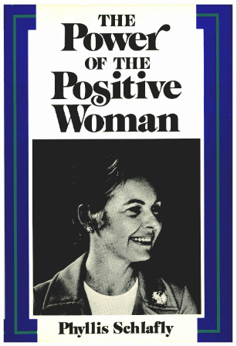
The Power of the Positive Woman
By Phyllis Schlafly, Arlington House Publishers, 1977
Editor’s Note: This book is out of print, but Education Reporter will email you a complimentary copy in easy to download PDF format that you can read on your favorite device. To get your free copy, just click this link and fill out the brief form.
At the very beginning of her wonderful book, The Power of the Positive Woman, Phyllis Schlafly said it all when she wrote: “To the Positive Woman, her particular set of problems is not a conspiracy against her, but a challenge to her character and her capabilities.”
 Phyllis compares this “positive” attitude with that of the feminists at the time she wrote her book, and the shoe fits even today, as most feminists still wallow in self-pity, believing that being born female is a handicap. Phyllis described the feminist attitude with tongue-in-cheek:
- This is the self-articulated dog-in-the-manger chip-on-the-shoulder fundamental dogma of the women’s liberation movement. Someone — it is not clear who, perhaps God, perhaps the “Establishment,” perhaps a conspiracy of male chauvinist pigs—dealt women a foul blow by making them female. It becomes necessary, therefore, for women to agitate and demonstrate and hurl demands on society in order to wrest from an oppressive, male-dominated social structure the status that has been wrongfully denied to women through the centuries.
Phyllis deduced that probably what feminists were most upset about was the fact that they have babies and men do not. Of course, in the twisted world of today, the woke among us may dispute that biological fact. But when Phyllis wrote The Power of the Positive Woman, it was just that, an accepted biological fact, albeit one that had to be changed by promoting contraception, legalizing abortion, and establishing child care centers for all women and all children, regardless of income, religion, or any other factor. And child care was to be paid for by government; i.e. taxpayers.
In her inimitable way, Phyllis’s book provides logic, sensibility, and a kind of calm that only truth can inspire. She wrote: “it is self-evident to the Positive Woman that the female body with its baby-producing organs was not designed by a conspiracy of men but by the Divine Architect of the human race. Those who think it is unfair that women have babies whereas men cannot will have to take up their complaint with God, because no other power is capable of changing that fundamental fact.”
Like many women of the time who supported her, Schlafly celebrated femaleness and fertility as part of woman’s “unique purpose, potential, and power.” Phyllis put into simple yet absorbing language the unchangeable biological facts that differentiate men and women, such as in sports and other avenues where physical size and strength render women at a physical disadvantage.
She further makes her case by explaining that women’s roles as mothers, nurturers, and moral anchors are not outdated burdens but meaningful contributions that shape communities. Her argument that legal and cultural protections for women should be preserved rather than erased in the name of uniformity, is presented as both practical and compassionate.
Schlafly points out that the “Divine Architect who gave men superior strength to lift weights also gave women a different kind of superior strength,” and she explains why pushing the sexual revolution in the 1970s was “such a cheat on women.”
She contends:
- The Positive Woman recognizes the fact that when it comes to sex women are simply not the equal of men…. The other side of the coin is that it is easier for women to control their sexual appetites. The Positive Woman cannot defeat man in a wrestling or boxing match but she can motivate him, inspire him, encourage him, teach him, restrain him, reward him, and have power over him that he can never achieve over her with all his muscle.
In reading Phyllis’s truths that were undeniable nearly 50 years ago and remain undeniable today, such as when she describes the “maternal need” among females, one can imagine the rage her words might engender in the completely illogical and often unhinged psyches of today’s feminists. They have been lied to for so long and so outrageously, it’s no wonder they reject the immutable traits and differences that are not in sync with the brainwashing they have received throughout their youth via the schools and the culture.
One tidbit this reviewer did not recall and found surprising is the fact that feminists of the 1970s were asserting there are no differences between men and woman and that separate school activities for boys and girls, such as “mother-daughter breakfasts” or “father-son” banquets, should be prohibited. They were already fostering the notion that boys and girls should not be subject to “separate treatment.” Some may recognize it as the prerequisite to such outrages as girls invading boys’ locker rooms and vice versa today.
But Phyllis was, as usual, way ahead of her time when she wrote: “It is no gain for women, for children, for families, or for America to propel us into a unisex society. Our strength is in our diversity, not in our sameness.” She was not only referring to the sexes, but to the races as well.
Throughout the book, Phyllis relays many entertaining and inspiring examples of strong, successful, and often well-known women who “made it” in a world where feminists were lamenting that the deck was stacked against them. She correctly noted that “the Positive Woman spends her time, ingenuity, and efforts seizing her opportunities—not whining about past injustices.” She makes the case that American women have been liberated by “the free enterprise system,” which inspired inventors to develop ever better labor-saving devices, and “by the increased receptivity toward women in business and the professions.”
Phyllis wrote The Power of the Positive Woman at a time in our nation’s history when the culture was shifting rapidly; when the unique distinctions that naturally set men and women apart were beginning to blur. She argues that women’s strengths—biological, emotional, and social — are not limitations but sources of power, and that accepting and embracing these differences lead to a more fulfilling life for women, their families, and society as a whole.
This reviewer found the book to be a welcome and reassuring alternative, not only to the relentless drumbeat of 1970s feminism, but to the craziness of the society we live in today as well. Readers will find that The Power of the Positive Woman remains even more relevant now because it describes a meaningful worldview that still makes sense for all human beings. They will recognize that differences between the sexes deserve to be celebrated rather than erased.
Phyllis Schlafly’s timeless work gives a voice to women who still see value and empowerment in accepting rather than rejecting traditional roles.
Education Briefs
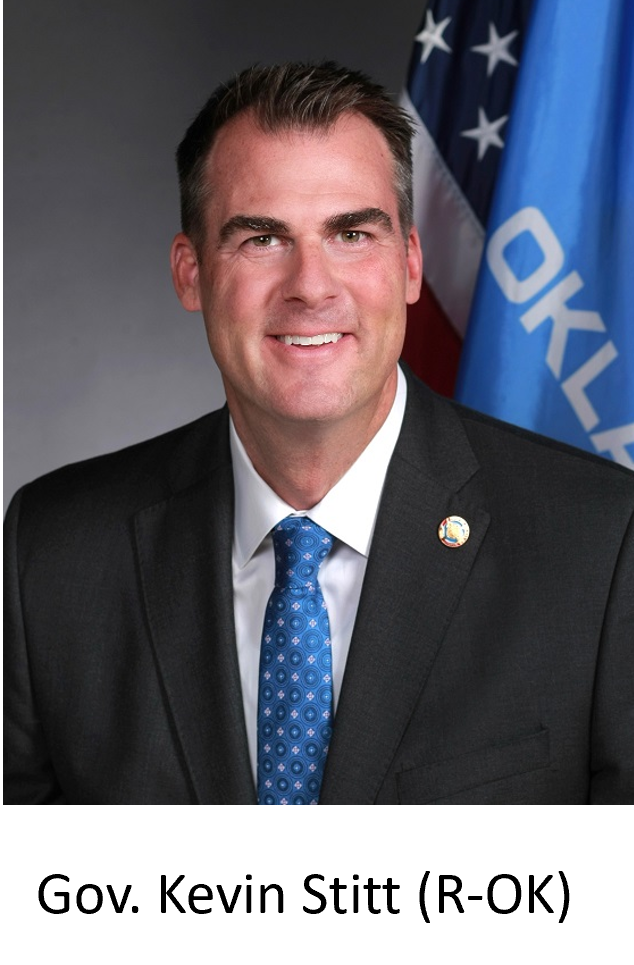
A female student at the University of Oklahoma (OU) was assigned a 650-word essay in reaction “to an article about how people are perceived based on societal expectations of gender,” for which she received zero points because she made the case that traditional gender roles should not be considered stereotypes. Turning Point USA posted on X that the student, Samantha Fulnecky, cited scripture in support of her position that “eliminating gender in society would be ‘detrimental’ because that would put people ‘farther from God’s original plan for humans.’” Her essay further identified “the erosion of ‘gender’ roles” as the source of the problem, which she said articles like the one she was assigned attempt to do. Her professor, Mel Curtis, a transgender man who presents as a woman, claimed Fulnecky did not follow his guidelines for the paper and that she “failed to use empirical evidence.” He called parts of her essay “offensive.” Turning Point USA’s post read in part: “We should not be letting mentally ill professors around students…. Professors like this are the very reason conservatives can’t voice their beliefs in the classroom. Kudos to Samantha for leading by example and standing up for what she believes in.” A WorldNetDaily article noted that a rant by Curtis against Fulnecky’s paper prompted Oklahoma Governor Kevin Stitt to order the university’s board of regents “to make certain students are not being punished for their faith.” Thus far, the professor has been removed from the classroom and placed on administrative leave pending “the finalization” of an investigation. Stitt said: “The 1st Amendment is foundational to our freedom and inseparable from a well-rounded education. The situation at OU is deeply concerning. I’m calling on the OU regents to review the results of the investigation and ensure other students aren’t unfairly penalized for their beliefs.”
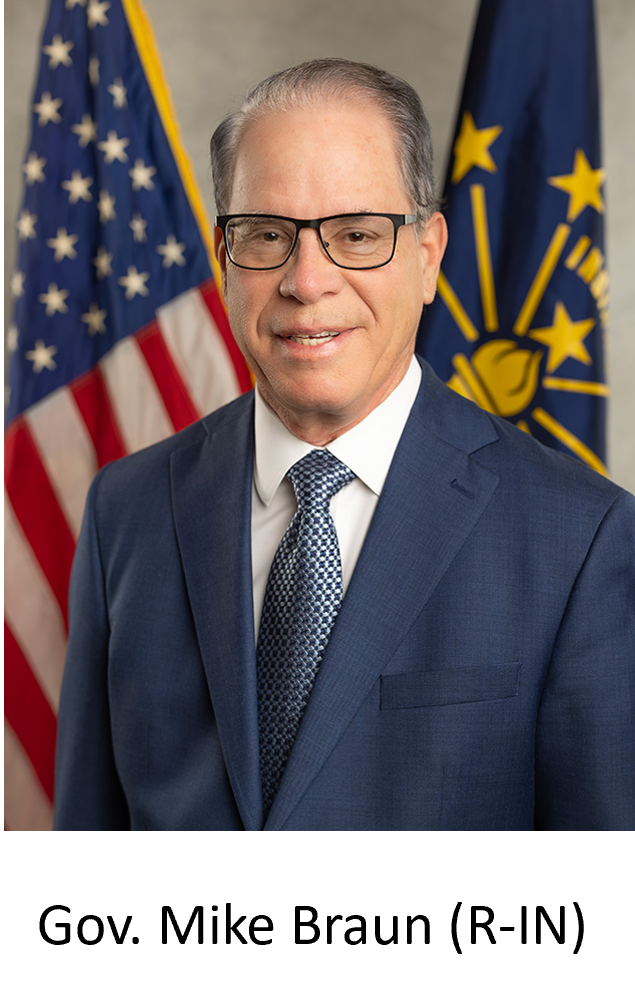
Indiana is poised to require its public colleges and universities to prove their new degree programs “demonstrate a commitment to upholding American values” before they can be implemented. Jaryn Crouson of the Daily Caller News Foundation reported on November 25 that Indiana’s Commission for Higher Education is implementing “a new process for program proposals that requires schools to prove a course’s curriculum cultivates ‘civic responsibility’ and promotes a ‘commitment to the core values of American society’” in order to gain approval. According to Indiana Public Media, institutions of higher education in the state “have already cut nearly 20% of programs due to low enrollment and completion.” One such casualty is Purdue University-Fort Wayne’s “Women, Gender, and Sexuality Studies” program, for which many parents are undoubtedly grateful. Indiana’s Republican Governor, Mike Braun, has indicated his displeasure with the leftist programming at many institutions, which he said “has pushed companies to stop requiring post-secondary degrees, believing they no longer carry the same weight they once did.” Braun’s administration has embarked on a course to ensure college degrees “are worth their price.” Crouson reports that in January, the governor signed an executive order “banning the taxpayer funding of diversity, equity and inclusion (DEI) programs and initiatives at all state agencies,” and particularly any “training, instruction, procedures, or programming” that endorses “preferential treatment of one person’s particular race, color, ethnicity or national origin, over that of another person.”

The Trump Administration’s crackdown on immigration may already be making higher education more accessible to American students, particularly at elite schools. The Washington Examiner explained how American universities have been pressured in recent decades to expand undergraduate enrollment even as the enrollment of foreign students exploded. Foreign students often pay higher tuition, and foreign cash has carried the day for many years. “Now,” writes the Examiner, “thanks to President Donald Trump’s immigration crackdown,” some of these same institutions are finally serving more Americans — democratizing access and “opening transformational opportunities to thousands of students who were previously shut out.” This is particularly the case at elite universities where class sizes have been kept low to maintain prestige despite increasing numbers of applicants and despite the disappointment many parents feel at the infiltration of “woke” curricula and professors at America’s “best” schools. As the Examiner puts it, these universities successfully fill seats with “high-paying international applicants,” while American students run into “a bottleneck that suppresses upward mobility and weakens the nation’s domestic talent pipeline.” With the Trump Administration limiting student visas and restricting international enrollment, a degree of fairness may be restored for qualified U.S. students. The Examiner observes: “By reducing their dependence on international students, these institutions are being forced to serve the nation that built and sustained them in the first place.”
Florida bill would cap number of foreign students at public universities
Lawmaker wants to ‘provide increased educational opportunities to American students’
Originally posted at The College Fix, December 11, 2025. Reprinted by permission.
A new Florida bill would limit the number of international students who attend state universities in keeping with broader Republican efforts to prioritize Americans first in taxpayer-funded higher education.

Filed Wednesday, [December 10], House Bill 721 would require Florida’s public universities to limit the “number of enrolled students who are citizens of a foreign country and who are not permanent residents of United States” to no more than 10 percent of their student population, the Tallahassee Democrat reports.
The lead sponsor, Rep. Berny Jacques, R-Seminole, filed the bill, called “Foreign Students Enrolled in Public Postsecondary Educational Institutions” on December 10.
In a news release, Jacques said his legislation will “provide increased educational opportunities to American students.”
“Our colleges and universities should be educating Floridians and Americans first,” he stated. “Florida’s public institutions were designed to serve our public, not citizens of nations abroad.”
Jacques is a Haitian immigrant, according to the newspaper:
While the state currently has a 10 percent cap for non-Florida residents among all of the state’s higher ed institutions, Jacques’ bill would limit individual institutions and would be specific to foreign students.
House bill 721 currently does not have any carve outs for students with forms of documentation such as Deferred Action for Childhood Arrivals (DACA), asylum status, or trafficking victims (what’s known as “T nonimmigrant status”). It also does not include exceptions for athletics programs.
The new legislation follows a directive from Gov. Ron DeSantis to prioritize the hiring of American workers at the state’s higher education institutions.
In late October, DeSantis directed the Florida Board of Governors, which oversees the 12 state universities, to “crack down” on the hiring of foreign workers with H-1B visas, The College Fix reported at the time.
“Universities across the country are importing foreign workers on H-1B visas instead of hiring Americans who are qualified and available to do the job. We will not tolerate H-1B abuse in Florida institutions,” he wrote on X in October.
H-1B visas are given to non-immigrant foreign workers with skills in specialty fields, such as professors and researchers.
Currently, the number employed at public universities in Florida is just under 400, and more than 150 of them are at the University of Florida, the Orlando Sentinel reported in October, based on U.S. Citizenship and Immigration Services data.
Micaiah Bilger is an assistant editor at The College Fix. She has more than a decade of experience in print and online journalism, including as a staff writer for LifeNews.com and a newspaper reporter and editor. She holds a B.A. from Susquehanna University, and lives in Pennsylvania with her family.
USC professors promote ‘drag pedagogy’ for K-12 teacher prep programs
By College Fix Staff
Originally posted at The College Fix, December 14, 2025. Reprinted by permission.
‘Queer content’ should be incorporated ‘into coursework, discussions and assessments’
A pair of University of Southern California professors recently presented “a bold framework” for incorporating “drag pedagogy” into K-12 teacher trainings.
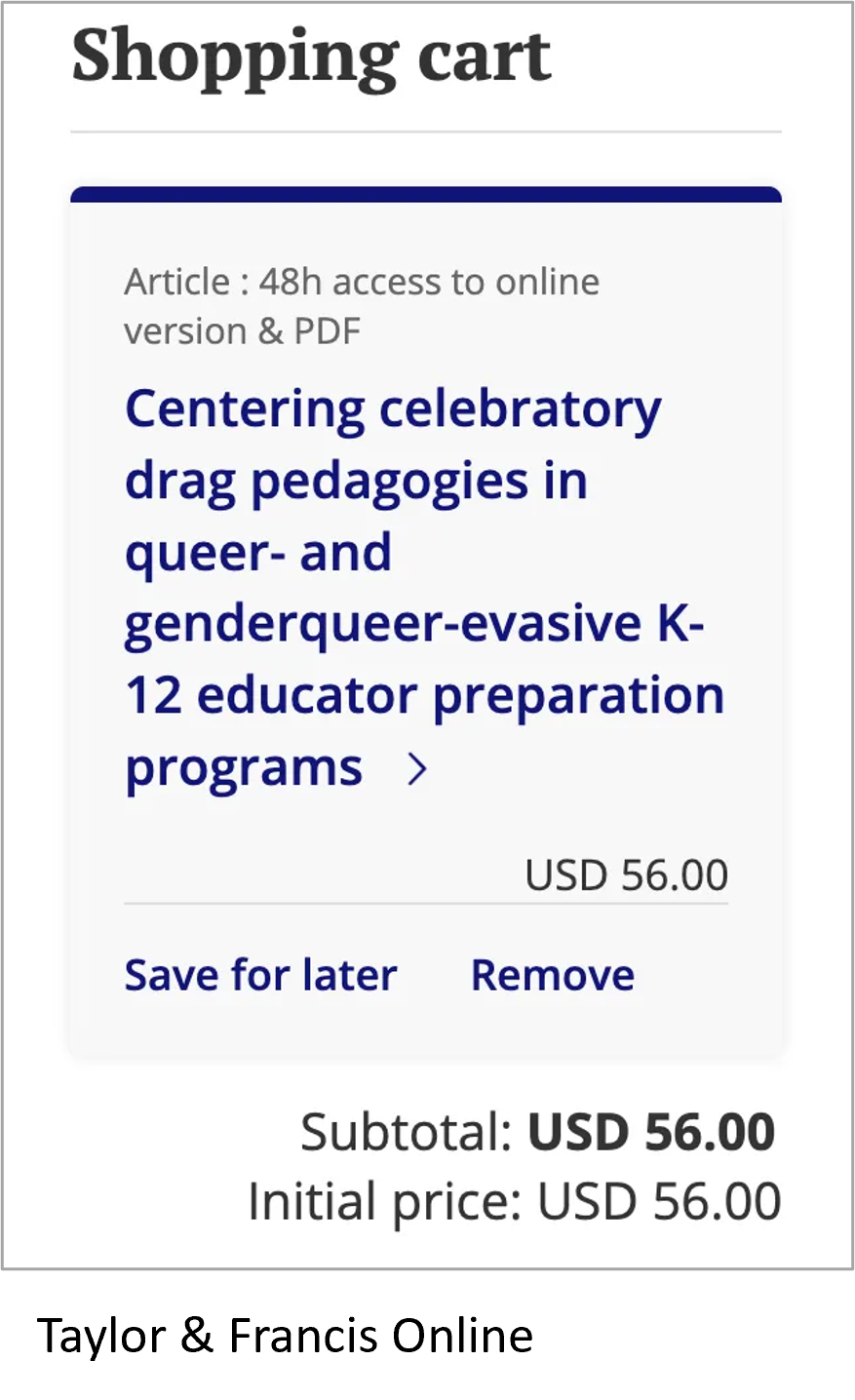
The abstract for Theodore Burnes’ and John Pascarella’s paper “Centering celebratory drag pedagogies in queer- and genderqueer-evasive K-12 educator preparation programs” asserts that anti-drag sentiment “has negatively impacted school environments.”
But the profs offer a “framework” for how the “centraliz[ation]” and “celebration” of drag pedagogy “in the preparation of aspiring teachers, counselors, and school leaders” can “transform school environments’ relationship to sexuality and gender expression.”
For a mere $56 you can read the entire study from the International Journal of Qualitative Studies in Education:
According to a USC Rossier School of Education press release, the authors contend drag pedagogy “can promote creativity, belonging and critical self-reflection.”
Burnes, who according to his faculty page “is passionate about creating learning environments for therapists-in-training that infuse a commitment to social justice,” said drag pedagogy “offers educators a joyful and liberating framework for helping students express who they are and understand others with empathy and respect.”
Pascarella, “an expert in teacher education reform, racial equity, and digital media literacy” and chief academic officer for the campus Race and Equity Center, said “future educators are being asked to lead in environments shaped by fear and misinformation,” but drag pedagogy “invites them to lead instead through courage, compassion and joy.”
The study makes use of queer theory-based “autoethnographic methods” (“an autobiographical genre of academic writing that draws on and analyzes or interprets the lived experience of the author and connects researcher insights to self-identity, cultural rules and resources, communication practices, traditions, premises, symbols, rules, shared meanings, emotions, values, and larger social, cultural, and political issues” — see here), resulting in a “five-component” plan for the celebration of drag.
These include “embrac[ing] fluidity and ‘messiness’ in the process of social transformation,” “recogniz[ing] gender and sexuality as inherently political topics that demand reflection and advocacy,” and ditching the notion that gender is binary and replacing it with a “gender continuum.”
In addition, “queer content” should be incorporated “into coursework, discussions and assessments.”
The professors argue that the “embrace” of drag pedagogy can help teachers and other school officials to “create safer and more affirming spaces for all students.”
Education Related Links