bible-book-christian-250609
The Texas State Board of Education has released a list of roughly three hundred literary works proposed for the public school curriculum from kindergarten through twelfth grade. Classics like Charlotte's Web, Animal Farm, and works by Mark Twain are on the list. So is the Bible — and that's where the controversy begins.
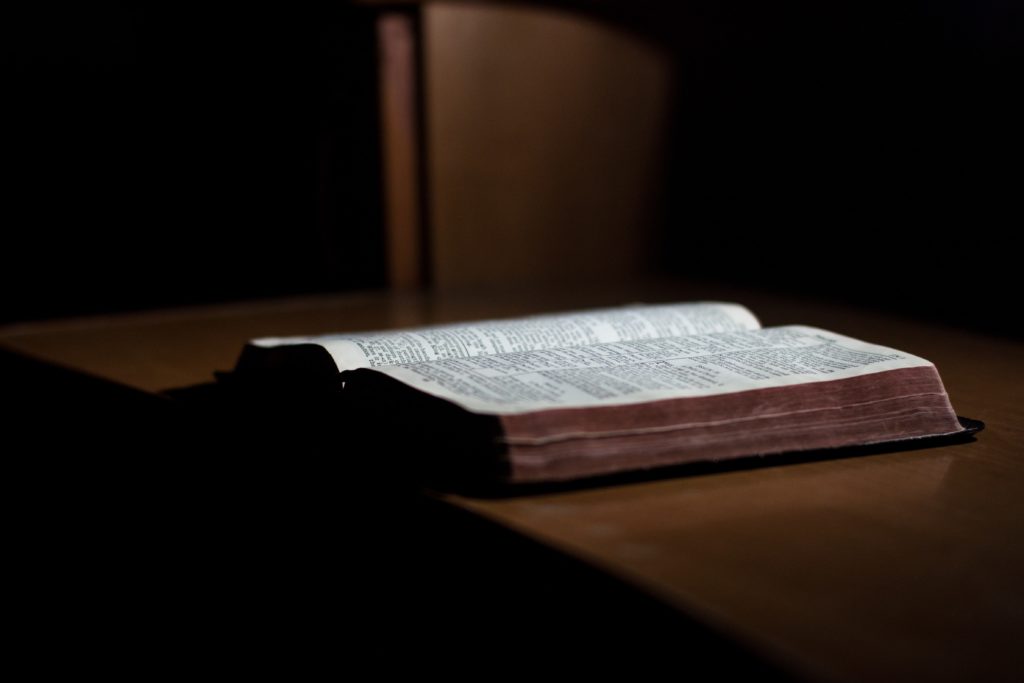
Biblical passages included in the draft range from the Parable of the Prodigal Son and the Golden Rule for younger grades, to the Book of Psalms, David and Goliath, Ecclesiastes, and the Book of Job for older students. The Board deserves credit for including Scripture at all — and deserves criticism for including almost nothing from the New Testament.
The loudest objections, of course, come from those who don't want the Bible in public schools at all. But let's put that argument in perspective. The Bible is the most widely read and most influential book in human history. It has never left the top of the bestseller charts — the only reason it doesn't appear on weekly lists is that publishers deliberately exclude it because it would win every single week. In 2025, Bible sales in America topped nineteen million copies — double what was sold in 2019. Sales among Generation Z are surging. Young Americans are turning to Scripture in record numbers.
No educated person can fully understand Western history, literature, or law without familiarity with the Bible. When Lincoln delivered his House Divided speech, he was drawing on the Gospel of Mark. When scientists like Isaac Newton and Louis Pasteur shaped the modern world, they were avid readers of Scripture. When someone tells you to turn the other cheek, you should know where that comes from.
Meanwhile, Arthur Miller's The Crucible remains on this same reading list — a work written as political allegory defending communism, by an author who was held in contempt of Congress for refusing to identify communists he personally knew. That raises far fewer objections from the left than a passage from the Book of Job.
Students may opt out of any Bible reading based on religious or moral beliefs. The opt-out already exists. What Democrats are really opposing is that other students — whose parents want them to read Scripture — will be allowed to do so. That's not a constitutional argument. That's an agenda.
Stay informed and engaged at PhyllisSchlafly.com, and join us again for the Phyllis Schlafly Report.