Quevaal, CC BY-SA 3.0, via Wikimedia Commons.
Twenty-five years ago today, nineteen hijackers changed America forever — and so did the government's response. The USA PATRIOT Act was signed into law just forty-five days after September 11th, 2001. Sold as a temporary emergency measure to stop terrorism, it dramatically expanded the government's authority to surveil American citizens — their phone calls, their financial records, their communications — with far less judicial oversight than before. Conservatives who warned at the time that this new power would outlast the emergency have been proven right. The surveillance infrastructure built in the name of stopping Al-Qaeda did not go away. Instead, it has grown exponentially.
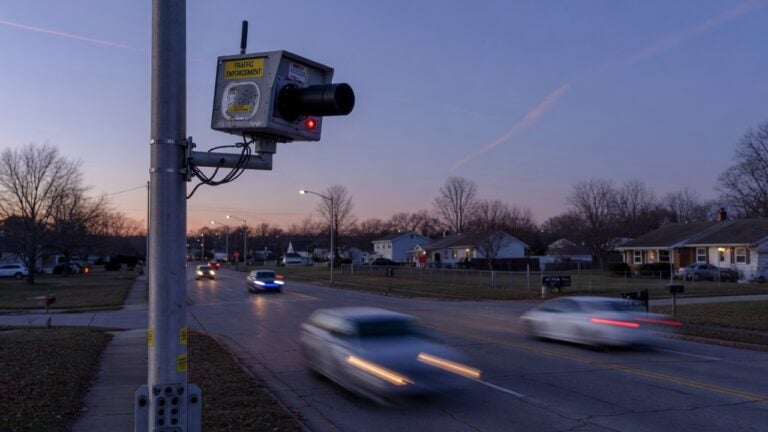
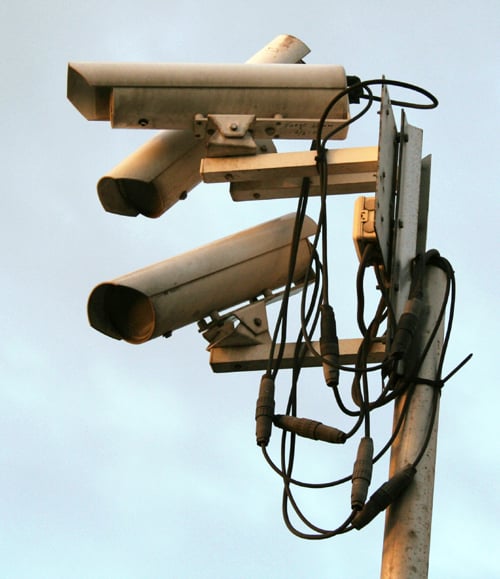
This brings us to a story worth watching right now: Flock Safety and other similar automated camera systems. Flock Safety is a private company that operates a vast nationwide network of more than 120,000 automated cameras mounted along public roads. These cameras photograph every vehicle that passes — capturing license plate numbers, vehicle color, make, and other identifying characteristics — and store that data. Thousands of law enforcement agencies in forty-nine states have access to search and share that database across jurisdictions. The company was valued at seven and a half billion dollars last year, and its cameras are now deployed in over six thousand communities.
The backlash has been building. Last month, under pressure from a bipartisan wave of lawmakers, civil liberties advocates, and ordinary citizens — some of whom have physically torn cameras down — Flock announced platform changes. The company is shortening its standard data retention window from thirty days to seven. Officers will now be required to tie each search to a specific case number before running it. Emergency overrides will be automatically flagged for review. And local agencies will be able to block outside searches for certain offense types — including immigration enforcement.
Let's be clear about what these changes are — damage control from a company that felt the heat. The ACLU called most of the changes retreads of inadequate measures. Last month alone, six employees of the Savannah Police Department in Georgia were fired for using Flock cameras to search for friends and family and allowing outside access without authorization.
The surveillance state doesn't announce itself, or police itself. It expands incrementally, emergency by emergency, safety camera by safety camera. September 11th taught us that. We shouldn’t need another lesson.
Stay informed and engaged by signing up for our email alerts at PhyllisSchlafly.com, that’s PhyllisSchlafly.com and join us again for the Phyllis Schlafly Report.